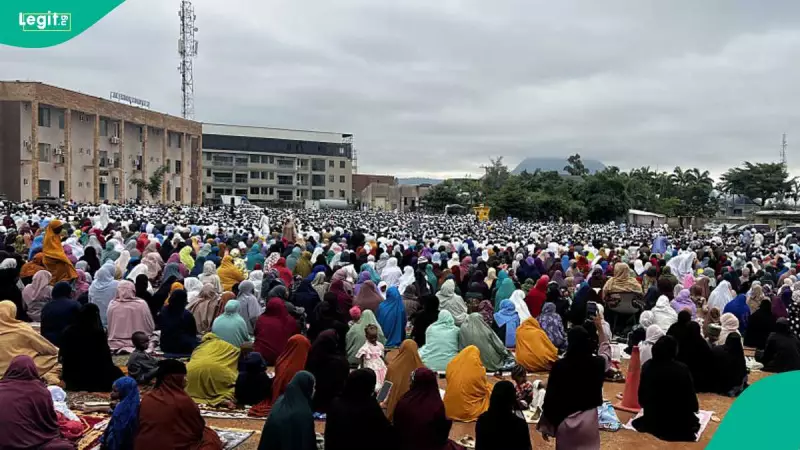
In a fresh blow to Nigeria's security landscape, armed criminals have abducted twenty-eight travellers, including women and children, in Plateau State. The victims were ambushed on Sunday night while journeying to an annual Islamic event, police confirmed.
Details of the Plateau State Ambush
The attack occurred as the victims' bus was moving between villages in central Nigeria. Police spokesperson Alabo Alfred stated that authorities had "deployed assets" to the affected area in a bid to rescue those taken. A local journalist reported that families of the victims have already begun receiving ransom demands from the kidnappers, highlighting the swift and ruthless nature of the operation.
This incident underscores the rampant nature of kidnapping for ransom by criminal gangs, locally known as bandits, across northern and central Nigeria. While paying ransom is illegal, it is widely believed to be a common method for securing hostages' release, providing a lucrative income stream for these criminal networks.
A Nation Grappling with Serial Abductions
The Plateau abduction came just one day after Nigerian authorities announced a positive development in a separate case: the release of 130 schoolchildren and teachers kidnapped last month from St. Mary’s Catholic School in Niger State. Officials stressed that the Plateau incident was unrelated to the Islamist insurgency in the north-east, instead attributing it to criminal banditry.
Nigeria's pervasive insecurity recently drew sharp international commentary. The federal government, while acknowledging the country's security challenges, has denied allegations that any religious group is being specifically targeted. Information Minister Mohammed Idris noted on Monday that recent diplomatic tensions over these issues have been "largely resolved," leading to stronger relations with the United States.
Government Response and Forest Guard Initiative
In response to the growing crisis, the government outlined a new security measure. Minister Idris announced that trained and equipped forest guards would be deployed to secure remote forests and areas often used as hideouts by criminal groups. These guards are expected to support ongoing military operations aimed at curtailing kidnappings.
The back-to-back events—a mass release followed immediately by a new mass abduction—paint a stark picture of the security situation. They demonstrate both the relentless activity of kidnap-for-ransom gangs and the continuous pressure on security forces who must simultaneously pursue rescues and attempt to prevent new attacks.
As police operations continue in Plateau, the nation watches, hoping for the safe return of the 28 travellers while grappling with the complex and persistent threat of banditry.