Two boys who were forcibly recruited by a notorious rebel militia linked to the Islamic State group have shared chilling details of the torment they endured in its camps in the Democratic Republic of Congo. Their unprecedented account sheds light on the shadowy operations of the Allied Democratic Forces (ADF), a group known for extreme brutality in the country's troubled northeast.
Abducted and Forced into a Life of Violence
Paluku, a frail 12-year-old, was taken after ADF rebels killed his mother during an attack on his village in eastern North Kivu province. His brother and sister were also captured. Edouard, now 17, endured a gruelling four years with the ADF after being kidnapped at the age of 12. The boys, using pseudonyms for safety, spoke from a specialized care centre for minors recruited by armed groups. Their accounts have been confirmed by health and security sources.
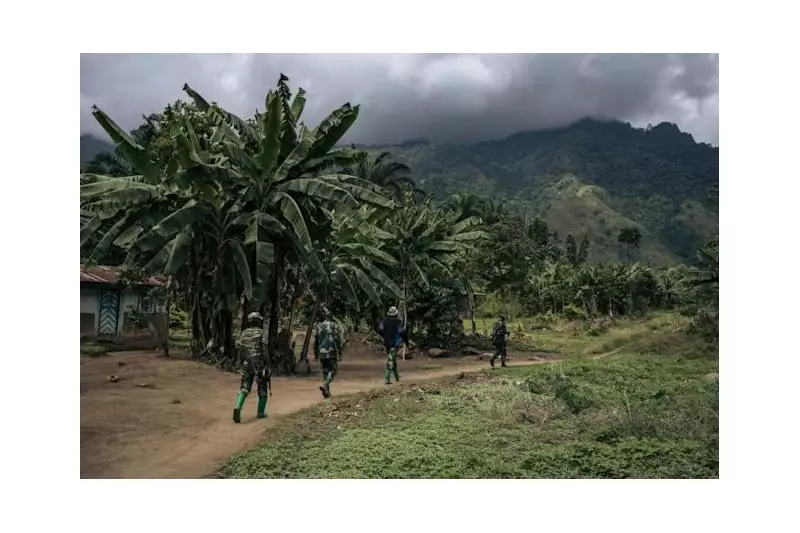
Edouard, a fast-talking teenager, did not mince words. "We suffered terribly," he said, describing his years of "torment." After capture, both boys were sent to ADF bases hidden deep in the dense forests of northeast DRC. These camps, consisting of simple tents and tarps, are designed to be mobile, helping the elusive rebels avoid patrols by the Congolese army and Ugandan forces deployed since 2021.
Brutal Training and Punishment Regime
New recruits are swiftly forced to convert to Islam and learn Arabic, English, and Swahili. Edouard was trained in field medicine to treat wounded fighters and taught how to handle and clean weapons. Paluku underwent similar training, which also included instruction on how to "steal food, clothing and medicine to bring back to the ADF camp."
Children play a central role in supplying the group. Those who fail to bring back loot face severe punishment. The wives of ADF commanders, some of whom hold significant influence, also wield power over young recruits. Paluku explained that when fighters went out, the youngest were expected to bring items like soap, oil, or fabric for the chief's wife. "If a chief’s wife accuses you... of not bringing back what she asked for, she can demand that you be killed," he revealed.
Both boys were subjected to incessant corporal punishment. Minor misbehaviour could result in whippings or being thrown into pits for weeks. "I was punished with lashes because I refused to go kill people," Paluku stated with a long stare. Edouard, who participated in combat at least three times, said beatings were common, especially if fighters lost weapons or ammunition. After being accused of such a failure, he was whipped so severely he fell ill. His plea to be excused from the front lines only provoked more anger and another round of lashes.
Deep Scars and a Struggle for Recovery
About ten children freed from the ADF arrive each month at the reception centre in Ituri province. "These children have suffered psychological trauma and torture, and when they arrive here, most are aggressive," said Madeleine, a psychologist at the centre. While aggression tends to fade after weeks of care, other scars remain.
Edouard became addicted to drugs administered by the rebels after a combat injury. He now suffers from speech disorders, talking constantly and sometimes incoherently. After a year of ongoing treatment, he recounts his horrors with a shy smile and an excitable gaze. Paluku, meanwhile, bears a darker expression, haunted by the fate of his sister, who remains a hostage. "She has become the wife of one of the ADF chiefs," he said.
Despite the deployment of Congolese troops around areas like Beni, the ADF continues to mount deadly attacks, perpetuating a cycle of violence that ensnares the most vulnerable. The testimonies of Paluku and Edouard offer a rare and disturbing glimpse into the inner workings of a group that thrives on fear and brutality.