The Human Rights Writers Association of Nigeria (HURIWA) has issued a strong call to the nation's security apparatus, demanding an immediate shift to proactive, intelligence-driven operations to dismantle kidnapping networks and their alleged collaborators within the armed forces.
Replicating Counter-Terrorism Success in Borno
In a statement released on 5 January 2026, the rights group specifically urged the intelligence community and the armed forces to adopt techniques similar to those successfully used by the Army in Borno State. HURIWA emphasized that more advanced intelligence-led strategies are needed to apprehend kidnappers before they can negotiate and collect ransoms from distressed families.
The association pointed to the success of Operation Hadin Kai, the military joint task force in the North-East, as a model to replicate nationwide. It cited the operation's effectiveness in identifying individuals like Shariff Umar, a key coordinator of recent suicide bombing activities, as proof that such methods work.
A Joint Committee to Root Out Internal Saboteurs
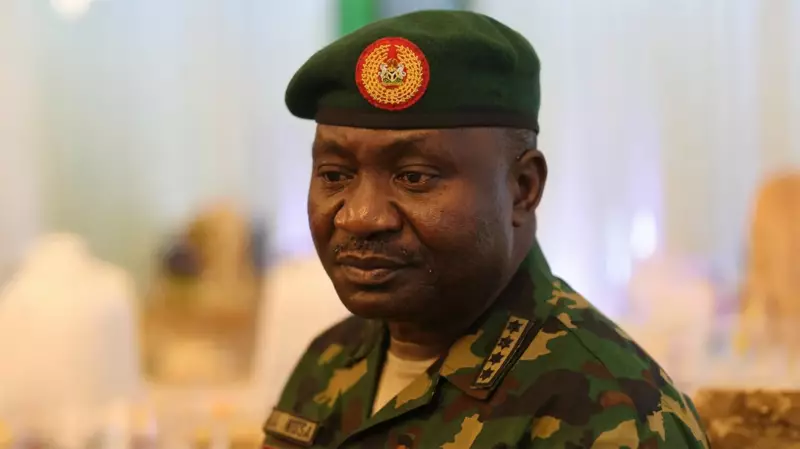
HURIWA called directly on the Minister of Defence, General Christopher Gwabin Musa, the Chief of Defence Staff, the National Security Adviser, and all service chiefs to establish a high-powered joint committee. This committee's primary mandate would be to identify saboteurs and criminal elements within the armed forces who are allegedly aiding terrorism, kidnappings, and other serious crimes that have persisted for years.
The group stated unequivocally that rooting out these internal actors must be a top priority for Nigeria to truly defeat terrorists and their affiliates. It raised alarming allegations that some of these elements are also involved in the gruesome trade of human organ trafficking.
"The continued payment of ransoms strongly suggests the presence of internal saboteurs who are benefiting from the multi-billion-dollar kidnapping industry," HURIWA asserted. It questioned why the communications of terrorists and kidnappers have not been adequately monitored by agencies like the Department of State Services (DSS) to facilitate their arrest for crimes against humanity.
Contrasting Responses and a Presidential Ultimatum
Highlighting the perceived failure of current systems, HURIWA referenced the recent abduction of the Kwara State traditional ruler, the Oniwo of Aafin, Oba Simeon Olaonipekun, his son Olaolu, and other villagers. The kidnappers reportedly demanded a staggering ransom of N450 million. The group expressed shock that such high-profile crimes occur freely despite billions of naira allocated to security annually.
In a stark contrast, the group cited a human trafficking case in Mali involving a Nigerian woman, where Malian armed forces swiftly used intelligence tools to intercept and arrest suspects within hours. An anti-human trafficking activist, P. Michael, who recounted the case, contrasted this efficiency with the situation in Nigeria, where kidnappers often succeed, allegedly due to collaboration with some security personnel.
Concluding its demands, HURIWA challenged President Bola Ahmed Tinubu to give the service chiefs a strict three-month deadline to reduce kidnappings and ransom collections by at least 25 per cent or face dismissal. It warned that actions by officers suspected of supporting criminals actively undermine all national security efforts.