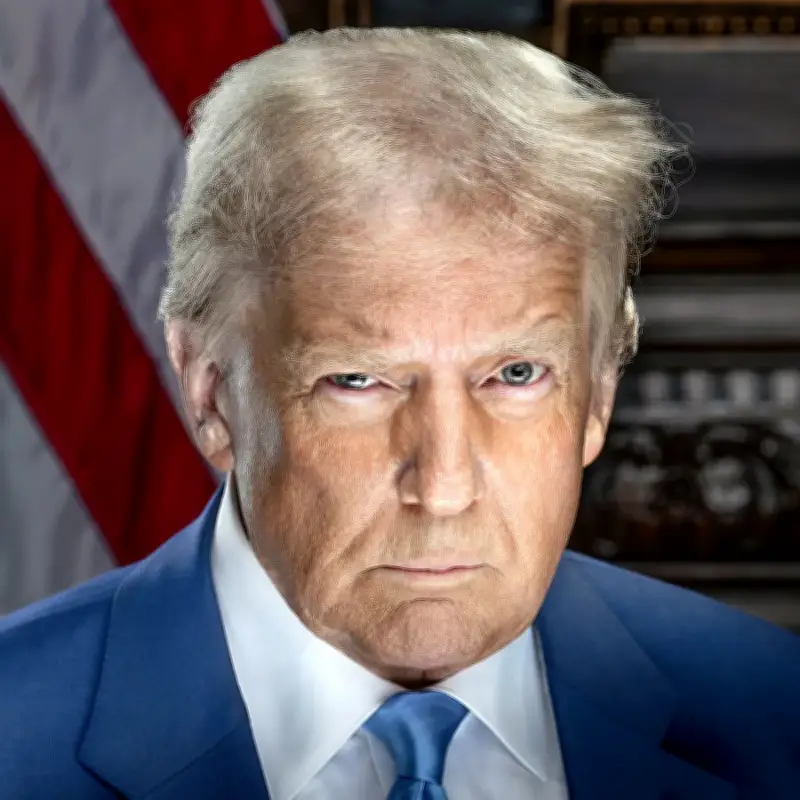
President Donald Trump has stated that he decided to pause military strikes against Iran to allow diplomatic negotiations another opportunity, but cautioned that he is prepared to authorize a return to expanded military operations if discussions break down. The current diplomatic efforts are centered on establishing a new agreement aimed at reopening the Strait of Hormuz and reviving broader negotiations regarding a comprehensive nuclear deal. While discussions are primarily taking place between Iran and Oman, key regional actors including Qatar, Pakistan, and Egypt, alongside Trump's envoys Steve Witkoff and Jared Kushner, remain actively involved in the mediation process.
Trump's Ultimatum: Limited Time for Diplomacy
Speaking on the ongoing diplomatic push, Trump emphasized the narrow window for reaching an accord: “We are in very deep talks with Iran. If they don't work out, we will go back to very strong military action.” When questioned on how long he was prepared to allow diplomatic efforts to continue, the president stressed that time was limited: “Not much time. Either it goes fast or not at all.”
Addressing the decision to halt military operations, Trump explained that regional mediators and partner nations urged Washington to give negotiations another chance: “All of the people that deal with Iran asked me: 'Don't fire.'” Expressing confidence that Tehran seeks an agreement, Trump framed the operational pause as a risk-free calculated choice: “Nothing gained, nothing lost.” He also observed that global oil prices declined while stock markets saw gains immediately following the suspension of attacks.
Pause in Military Operations: First Time in Two Weeks
For the first time in two weeks, military commanders were instructed to hold fire and refrain from executing planned strikes targeting Iranian assets along Iran's southern coast and around the Strait of Hormuz. The command was issued following a high-level briefing where military officials presented updated operational strike options. Although leaning toward major combat operations earlier in the week, internal deliberations shifted toward a temporary pause ahead of the decision.
Regional sources indicate that while Oman-mediated discussions with Iran have made noticeable progress, a final agreement has yet to be finalized. Omani Foreign Minister Badr al-Busaidi held consultative calls with counterparts across Iran, Qatar, Saudi Arabia, Kuwait, and Egypt. Official statements confirmed that the dialogue focused on developing practical and sustainable frameworks to guarantee maritime safety through the Strait of Hormuz.
Proposed Framework for Maritime Security
Among proposals under consideration is a model allowing regional states—including Iran and Oman—to collect reasonable service fees for maritime security and environmental protection. The framework mirrors mechanisms used in the Strait of Malacca, where coastal states charge passing vessels for specific maritime services. Alternatively, collected revenues could be directed into a joint fund overseen with participation from the International Maritime Organization.
Looking ahead, Trump is scheduled to host Israeli Prime Minister Benjamin Netanyahu at the White House. Outlining his agenda for the upcoming bilateral meeting, Trump noted: “I am going to talk to Bibi about the fact that if I weren't president, Iran would have had nuclear weapons by now and Israel would have been destroyed.” The remark underscores the high stakes of the diplomatic effort and the potential consequences if talks fail.