In a major strategic shift, Israel has announced a colossal investment plan to develop its own independent arms manufacturing sector. The move aims to reduce the nation's long-standing dependence on foreign military suppliers, primarily the United States.
A Decade-Long $110 Billion Investment
Israeli Prime Minister Benjamin Netanyahu revealed the ambitious plan on Wednesday. He stated that the government has approved a total of 350 billion shekels, equivalent to approximately $110 billion, to be invested over the coming decade.
The announcement was made during a military ceremony at an air base in southern Israel. Netanyahu emphasized that the goal is to build a self-sufficient defence industrial base for the State of Israel. "We want to reduce our dependence on any party, even on friends," he declared.
Strained Resources and Foreign Pressure
This decision comes after two years of intense military conflict on multiple fronts, which has severely strained Israel's military resources. The ongoing war, particularly the conflict in Gaza following the Hamas attack in October 2023, has led to significant international pressure.
Several nations have ceased arms sales to Israel in protest of the high death toll in Gaza, while others have imposed various restrictions at different points during the war. This has highlighted the vulnerabilities of relying on external supply chains during prolonged conflicts.
Currently, a significant portion of the equipment used by the Israeli Defence Forces comes from the United States, underpinned by a longstanding defence cooperation pact. According to data from the US Congress, Washington provided $3.3 billion in military funding and an additional $500 million for missile defence cooperation to Israel in 2025 alone.
The Push for "Super-Sparta" Self-Reliance
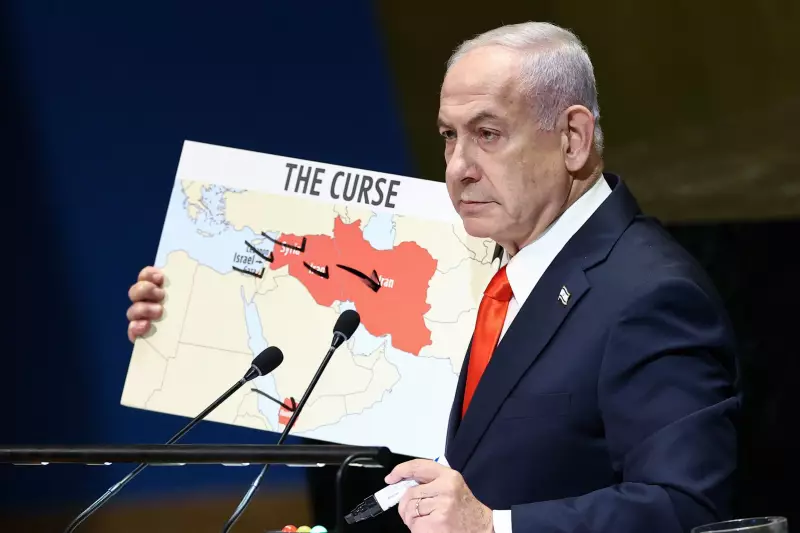
Netanyahu's government has been signalling this strategic pivot for some time. In a controversial speech at the United Nations General Assembly in September 2025, the Prime Minister argued that Israel was facing increasing isolation and needed to adopt a "super-Sparta" approach to its defence.
Following backlash over the remark, he later clarified that he was specifically referring to the defence industry. He stressed the necessity of becoming more self-reliant to avoid potential supply bottlenecks and external political pressures.
"The finest minds in our defence industries are hard at work developing weapons systems that will guarantee Israel’s advantage on the battlefield of the future," Netanyahu said during his recent address. He linked military strength to diplomatic power, stating, "Peace is made with the strong, not with the weak."
The financial commitment is substantial. Government data shows that in 2026, Israel will allocate about 16 percent of its public budget, roughly $35 billion, to defence spending. This marks a significant increase from the pre-Gaza war budget of approximately $20.4 billion in 2023.
This historic investment is poised to reshape Israel's defence posture, aiming to cement its status as a regional military power with growing global influence in defence technology.