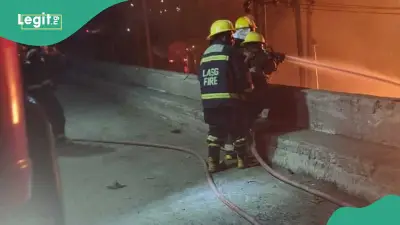
Nigeria has indicated that more military strikes against jihadist groups are on the horizon, following a significant Christmas Day bombardment conducted by United States forces in the country's northwest. The Nigerian government emphasized that the operation was a joint effort with its own military, signaling a new phase in security coordination between the two nations.
A Joint Operation Against ISIS-Linked Elements
On Friday, December 26, 2025, Nigeria's military issued a statement confirming that its forces, in conjunction with the United States, had conducted precision strike operations. The target was identified foreign elements linked to the Islamic State (ISIS) in northwest Nigeria. The US Africa Command later stated that multiple ISIS terrorists were killed in the attack, which took place in Sokoto State.
Residents in remote villages of Sokoto, which borders junta-ruled Niger, reported being shocked by loud explosions. "We heard a loud explosion which shook the whole town and everyone was scared," said Haruna Kallah, a resident of Jabo, located about 100 kilometers from the state capital. Initially, locals feared an attack by the armed group known as Lakurawa but later learned it was a US drone strike.
Diplomatic Pressure and Intelligence Sharing
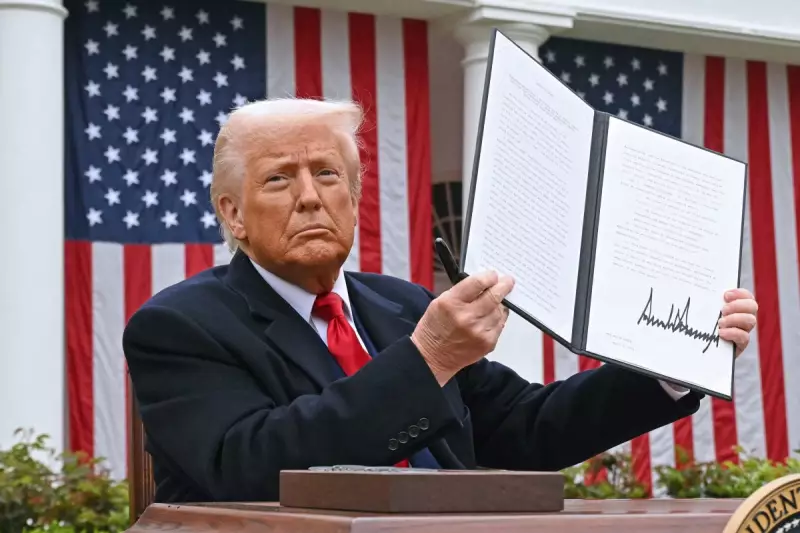
The strikes occur against a backdrop of recent diplomatic friction between Abuja and Washington. The tension stemmed from US President Donald Trump's characterization of violence in Nigeria's conflicts as amounting to the mass killing of Christians, a framing rejected by the Nigerian government and independent analysts.
Despite this, the dispute appears to have spurred increased security cooperation. Nigeria's Foreign Minister, Yusuf Tuggar, revealed in an interview with Channels TV that he was on the phone with US Secretary of State Marco Rubio ahead of the bombardment. "It's Nigeria that provided the intelligence," Tuggar stated, asserting the country's central role. He confirmed that President Bola Tinubu "gave the go-ahead" for the operation.
When asked about the potential for future actions, Tuggar's response was clear: "It is an ongoing thing, and we are working with the US. We are working with other countries as well." This strongly suggests more collaborative strikes are planned.
Unclear Targets and Complex Insurgency Landscape
Precisely which armed groups were hit remains unclear, highlighting the complex security crisis in northern Nigeria. While jihadist groups are mostly concentrated in the northeast, they have made inroads into the northwest. The term "Lakurawa" is used broadly to describe various armed fighters in Sokoto State.
Some researchers link elements of Lakurawa to the Islamic State Sahel Province (ISSP), active in Niger and Mali. Others dispute these links, noting the group also has reported connections to the al-Qaeda-affiliated JNIM, a rival to ISSP. This complexity makes definitive identification of the targets challenging.
Analysts note that Nigerian authorities, facing diplomatic pressure, are keen to be seen as cooperating with Washington. Malik Samuel, a researcher with Good Governance Africa, pointed out that "both the perpetrators and the victims in the northwest are overwhelmingly Muslim," countering the narrative of religious persecution. He added, "I think Trump would not have accepted a 'No' from Nigeria."
Foreign Minister Tuggar sought to clarify the mission's intent, stating, "It must be made clear that it is a joint operation, and it is not targeting any religion nor simply in the name of one religion or the other." The joint US-Nigeria strikes mark a significant, if diplomatically complicated, escalation in the fight against insurgency in the region.