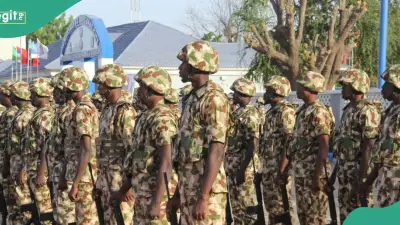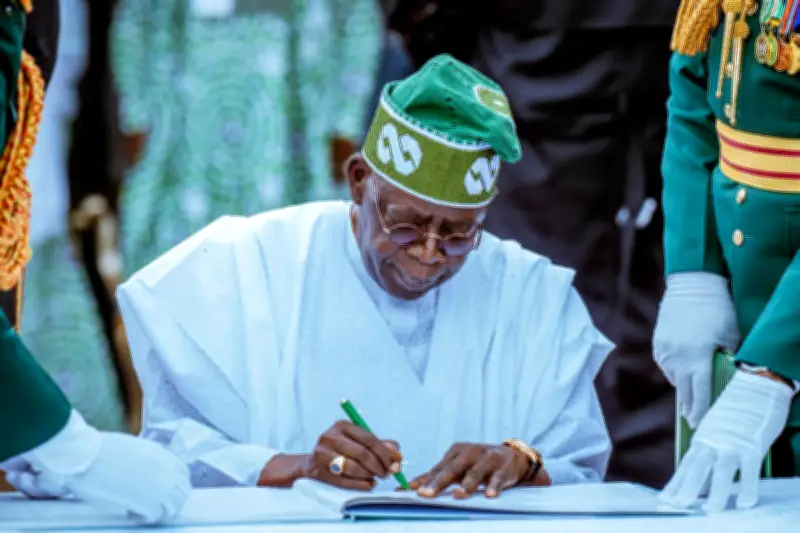
President Bola Tinubu has approved a major expansion of the Nigerian Army, increasing the number of divisions from six to twelve and authorising the recruitment of 28,000 new soldiers. The decision, announced by the Chief of Army Staff, Lieutenant General Taoreed Lagbaja, aims to bolster the military's capacity to address evolving security challenges across the country.
Details of the Expansion
According to Lieutenant General Lagbaja, the expansion will see the creation of six additional divisions, bringing the total to twelve. The new divisions will be strategically located to cover areas currently experiencing security threats, including the North-West, North-Central, and South-East regions. The recruitment of 28,000 new soldiers is expected to fill gaps in manpower and enhance operational effectiveness.
“This expansion is a direct response to the dynamic security environment and the need for a more robust military presence across all geopolitical zones,” Lagbaja stated during a briefing in Abuja.
Strategic Deployment and Impact
The new divisions will be deployed to hotspots such as the North-West, where banditry and kidnapping are prevalent, the North-Central, plagued by farmer-herder conflicts, and the South-East, where separatist violence has escalated. The expansion also aims to improve response times and coordination among units.
The Nigerian Army currently has about 100,000 personnel. The addition of 28,000 recruits represents a 28% increase in manpower, significantly boosting the army's capacity to conduct operations. The recruitment process will prioritise candidates from the affected regions to ensure local knowledge and integration.
Funding and Logistics
The government has allocated additional funds for the expansion, covering infrastructure, equipment, and training. The new divisions will require new barracks, command centres, and logistical support. The army plans to collaborate with the Ministry of Defence and the National Assembly to ensure timely implementation.
“The President has given us the green light, and we are working with all stakeholders to ensure that the expansion is executed efficiently without compromising the quality of our troops,” Lagbaja added.
Security Experts Weigh In
Security analysts have praised the move, noting that the expansion addresses long-standing deficiencies in troop deployment. “This is a strategic step towards stabilising volatile regions. The additional divisions will allow for more focused operations and better intelligence gathering,” said Dr. Chidi Okezie, a security expert at the University of Abuja.
However, some experts caution that the success of the expansion depends on adequate training and equipment. “Recruiting 28,000 new soldiers is ambitious. The army must ensure they are properly trained and equipped to avoid a repeat of past operational failures,” Okezie warned.
Timeline and Next Steps
The recruitment drive is expected to commence within the next quarter, with the first batch of recruits entering training by early 2027. The army has also initiated the process of identifying locations for the new divisions and constructing necessary facilities.
This expansion marks the most significant restructuring of the Nigerian Army since its establishment, reflecting the government's commitment to tackling insecurity. As Lagbaja concluded, “We are determined to build a Nigerian Army that is responsive, professional, and capable of defending our nation against all threats.”