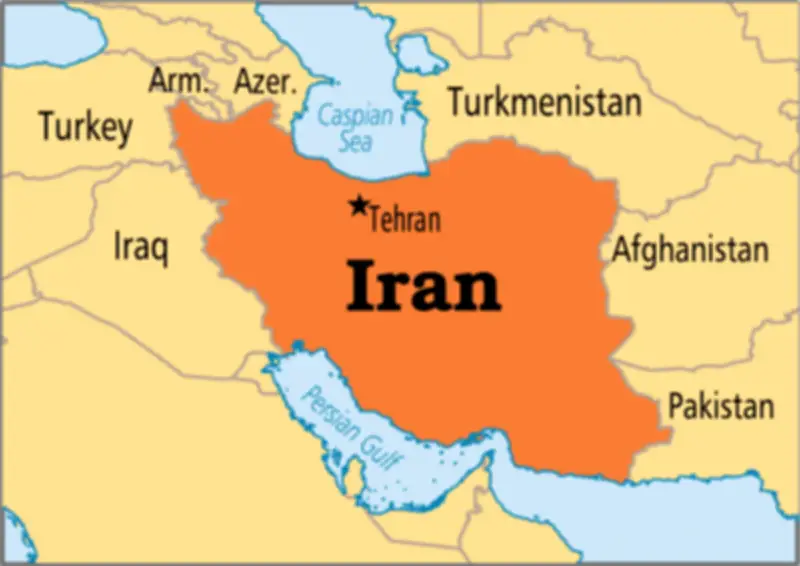
The US military has paused its campaign of strikes against Iran, following concerns that the Pentagon's stockpile of interceptor missiles is dangerously low. President Donald Trump directed the military to halt new strikes, according to Axios, while CNN reported that Department of War officials disclosed operations are on hold. It remains unclear whether the pause is temporary, as the president has instructed the armed forces to remain prepared for a possible return to major combat.
Houthi Rebels Strike Saudi Oil Facilities
Meanwhile, tensions escalated on a new front as Yemen’s Houthi rebel group fired missiles and drones at facilities affiliated with Aramco in Jizan and Yanbu, two strategically important Saudi oil hubs on the Red Sea. The Iranian-backed group said the attacks were retaliation for Saudi airstrikes on Hodeida, Yemen’s main port city on the Red Sea coast. “The first targeted sensitive Aramco-affiliated facilities in Jizan with dozens of ballistic missiles and drones,” the militant group’s spokesperson, Yahya Saree, said on X. “The second operation targeted sensitive Aramco-affiliated facilities in Yanbu with several ballistic missiles,” he added.
Concerns Over Depleting Interceptor Missiles
The US decision to pause strikes came amid concern that escalating the war could dangerously drain the Pentagon’s diminishing military stockpile in the region. Vice President JD Vance and Chairman of the Joint Chiefs of Staff Dan Caine both raised worries that ratcheting up operations would further deplete the limited supply of interceptor missiles used to shoot down Iranian drones and missiles targeting US interests in the Middle East. Some American media reported that the suspension was directly linked to the defence department’s fear of running out of these munitions.
Iran Reacts to US Pause
The Iranian army attributed the pause to the US failure to achieve its goals “in the Strait of Hormuz and in weakening Iran.” Army spokesperson Abolfazl Shekarchi described the situation as “chaotic and undesirable for America,” according to Al Jazeera. Shekarchi suggested the halt could be a “new strategy” and that any US withdrawal from the conflict was “conditional on the Zionists’ permission.” In Tehran, the Iranian parliament began reviewing a draft law on the management of the Strait of Hormuz, involving judicial, economic, and civil sub-committees.
Diplomatic Talks on Strait of Hormuz
Iran also engaged in discussions with Oman regarding the Strait of Hormuz over the weekend. Foreign ministry spokesman Esmaeil Baghaei said the talks were useful and that “progress was made.” He added that “technical and political consultations” between the two countries are still ongoing.