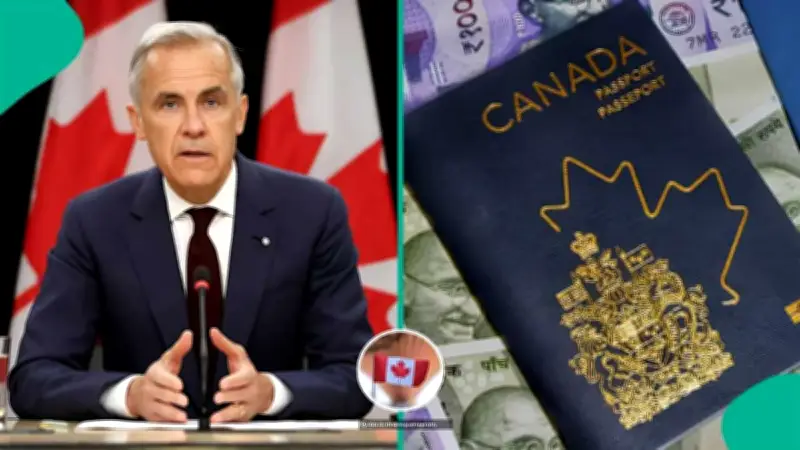
Canada’s immigration authorities have issued a new advisory warning visa applicants, including Nigerians, to stay alert against fraudsters. Immigration, Refugees and Citizenship Canada (IRCC) outlined several red flags that could indicate an immigration or visa scam, as part of efforts to help prospective travelers identify fraudulent schemes and avoid falling victim to criminals posing as immigration officials.
Fake Social Media Accounts and False Promises
According to IRCC, one of the biggest warning signs is anyone claiming to represent the department on social media while asking for personal or sensitive information. The agency advised applicants to be cautious of individuals pretending to be immigration officials online, noting that such requests could be part of a scam. IRCC also warned against anyone demanding cash-only payments without issuing an official receipt while promising guaranteed visa approval. The department stressed that no one can guarantee a Canadian visa application will be approved.
Unofficial Payment Requests
The immigration department cautioned applicants against sending visa fees through unofficial channels. It said requests for visa payments by email, telephone or direct bank transfer should be treated as suspicious. Applicants were encouraged to follow only the official payment procedures provided by Canadian immigration authorities when applying for visas or other immigration services.
Job Seekers Must Scrutinize Documents
IRCC also urged people applying for jobs in Canada to carefully examine immigration documents provided by recruiters. According to the agency, visa documents containing numerous errors, spelling mistakes or inaccurate information could indicate fraudulent activity. The department advised applicants to verify documents and deal only with legitimate employers and authorized immigration representatives.
How to Protect Yourself
IRCC recommends that all visa applicants use only official government websites and authorized representatives. They should never share personal details with unverified contacts on social media or through unsolicited phone calls. Any request for payment via unconventional methods should raise immediate suspicion. The advisory is part of broader efforts to combat immigration fraud targeting vulnerable applicants, many of whom are from countries like Nigeria seeking opportunities in Canada.