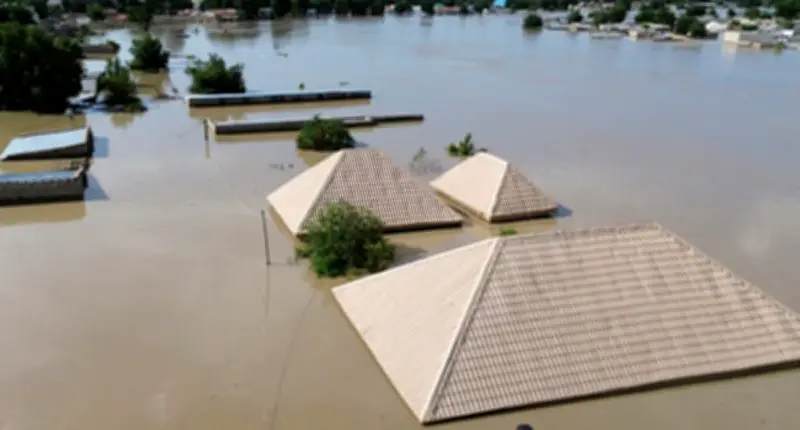
The Nigeria Hydrological Services Agency (NIHSA) has issued a seven-day flood alert for 17 states across the country, citing rising river levels along the Niger and Benue rivers. The alert, announced on July 22, 2026, warns of potential inundation in low-lying areas and urges state governments and residents to take immediate precautionary measures.
Affected States and River Basins
The 17 states at risk include Adamawa, Taraba, Benue, Nasarawa, Kogi, Edo, Delta, Anambra, Bayelsa, Rivers, Akwa Ibom, Cross River, Lagos, Ogun, Ondo, Osun, and Oyo. The alert specifically highlights the Niger and Benue river basins, where water levels have risen significantly due to heavy rainfall upstream and the release of water from dams in neighboring countries.
Immediate Actions Required
NIHSA Director General Clement Nze, in a statement, urged state governments to activate their emergency response teams and begin evacuation of residents in flood-prone zones. “We are advising all states along the Niger and Benue river basins to prepare for potential flooding within the next seven days. Communities living in floodplains should move to higher ground immediately,” Nze said. The agency also warned that the situation could worsen if rainfall continues, as predicted by the Nigerian Meteorological Agency (NiMet).
Historical Context and Impact
Nigeria has experienced devastating floods in recent years, with the 2022 floods killing over 600 people and displacing more than 1.4 million. The current alert comes as many states are still recovering from previous flood events. According to NIHSA, the water level at the Lokoja gauging station on the Niger River has reached 10.5 meters, just 0.5 meters below the flood level. Similarly, the Benue River at Makurdi is at 9.8 meters, approaching the 10-meter flood threshold.
Government and Agency Response
The National Emergency Management Agency (NEMA) has been placed on high alert and is coordinating with state emergency management agencies. NEMA spokesperson Manzo Ezekiel confirmed that relief materials have been pre-positioned in strategic locations. “We are working with NIHSA and state governments to ensure a swift response. We urge citizens to heed the warnings and avoid unnecessary risks,” Ezekiel said.
Public Advisory
Residents in affected areas are advised to avoid crossing flooded roads, moving water, or attempting to salvage property during rising waters. Farmers should harvest crops where possible and move livestock to higher ground. The agency also warned against building on floodplains and called for strict enforcement of urban planning regulations.