The Nigerian Meteorological Agency (NiMet) has identified 27 states across Nigeria as being at high risk of flash flooding, as heavy seasonal rainfall continues to saturate the ground. The warning, issued on Thursday, August 6, 2026, covers states in the North, North-Central, South-West, South-East, and South-South regions, urging residents to take immediate precautionary measures.
Why the warning was issued
According to NiMet, weeks of persistent rainfall have left the soil heavily saturated, reducing its ability to absorb additional water. As a result, even a few hours of intense rainfall could trigger flash floods, particularly in low-lying communities, urban centers, and areas with poor drainage systems.
The agency emphasized that the combination of continued heavy rainfall and already saturated soils significantly increases the likelihood of sudden flooding when intense downpours occur. NiMet urged residents in vulnerable areas to remain alert, clear blocked drainage channels, and follow official weather updates throughout the rainy season.
Full list of states at high risk
NiMet has categorized the at-risk states by region. In the North and North-Central regions, the states include Sokoto, Kebbi, Zamfara, Katsina, Kaduna, Borno, Adamawa, Taraba, Nasarawa, Plateau, Kwara, and Kogi. In the South-West, South-East, and South-South regions, the states are Oyo, Ogun, Lagos, Osun, Ekiti, Delta, Edo, Abia, Imo, Anambra, Enugu, Akwa Ibom, Cross River, Rivers, and Bayelsa.
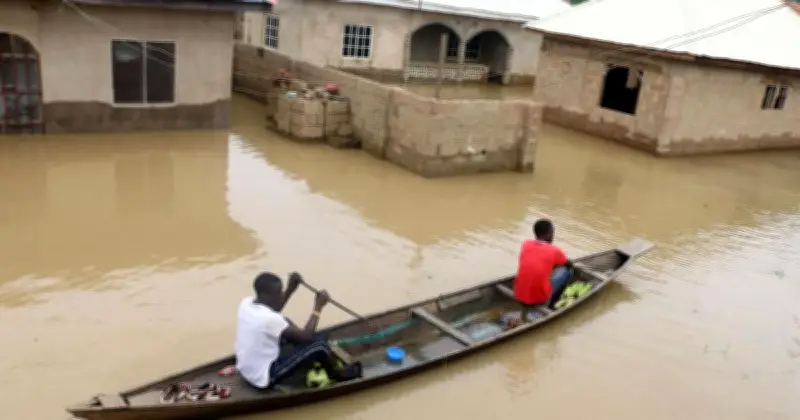
These states face a high risk because of the ongoing heavy rainfall combined with saturated soils, making flash floods a significant threat. NiMet's warning comes as Nigeria experiences severe flooding almost every rainy season, causing loss of lives, displacement of residents, damage to infrastructure, and destruction of farmland.
Potential impacts of flash flooding
The agency warned that flash floods could affect transportation, public services, agriculture, and public health. Some of the expected impacts include traffic congestion caused by flooded roads, roads and bridges becoming submerged or damaged, reduced visibility for motorists and aviation operations during heavy rainfall, and temporary disruptions to electricity and telecommunications services.
Additionally, flooding of farmlands puts crops and livestock at risk, while stagnant water increases the risk of waterborne diseases such as cholera and typhoid, especially after floodwater contaminates drinking water and drainage systems. The agency also noted that flash floods could lead to power outages and damage to infrastructure, further complicating rescue and recovery efforts.
What residents should do
NiMet advised people living in flood-prone communities to take preventive measures before heavy rainfall occurs. The agency recommends clearing drains and waterways by removing debris from gutters, culverts, and drainage channels around homes to allow rainwater to flow freely. Residents should also avoid floodwaters by never walking, swimming, or driving through flooded roads or fast-moving water. If a road is submerged, the agency advises turning around and finding another route.
To protect property, residents should secure outdoor furniture and other loose items that could be swept away, and park vehicles on higher ground away from flood-prone areas. Preparing an emergency kit is also essential, including clean drinking water, flashlights, medications, phone chargers, and important documents in a waterproof bag. Maintaining good hygiene by boiling or treating drinking water where necessary and keeping surroundings clean can help reduce the spread of waterborne diseases.
Emergency preparedness and response
With the peak of the rainy season underway, emergency agencies are urging residents in high-risk areas to remain vigilant and act promptly whenever weather alerts are issued. NiMet continues to monitor weather patterns and will provide updates through official channels, including its website and social media platforms.
Residents are encouraged to stay informed by following NiMet and emergency management updates, and to cooperate with local authorities during any evacuation orders. The agency also reminded the public that flash floods can occur with little warning, making preparedness and quick response critical to minimizing risks.
As Nigeria faces recurring flooding challenges, the NiMet warning serves as a crucial reminder for communities to prioritize safety and take proactive measures to protect lives and property.