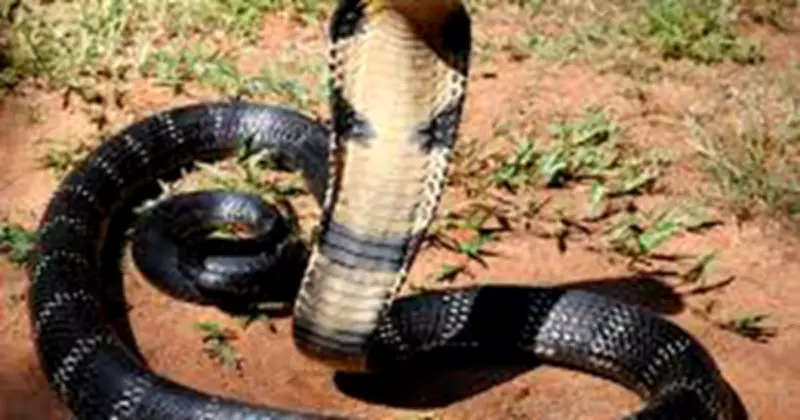
Critical Warning Signs That Snakes May Be in Your Nigerian Compound
Following the tragic passing of Abuja-based rising singer Ifunanya Nwangene, who succumbed to a snake bite after inadequate medical care, awareness about snake presence in Nigerian homes has become more crucial than ever. Snakes in Nigeria don't just inhabit remote bush areas—they frequently appear in urban estates, family compounds, student hostels, and even residential toilets, especially during rainy seasons.
According to snake experts, these reptiles operate with stealth and intelligence. "Snakes are silent predators that time your movements," explains one specialist. "They know when you leave your house, when to move, and can coexist with you for years without detection." This hidden danger makes recognizing early warning signs essential for every Nigerian household.
Top Indicators of Snake Presence in Your Living Space
If you've noticed unusual occurrences around your compound, these could be red flags signaling snake activity:
- Increased Rodent Activity
Snakes follow their food sources. A sudden surge in rat populations around your property might indicate you're unintentionally hosting a predator's buffet. Watch for rat droppings in corners, holes in walls or drainage systems, and nocturnal rodent movements.
- Unusual Tracks and Drag Marks
In sandy or dusty compounds, snakes leave distinctive wavy patterns and thin trails. These subtle signs, often noticed near bushes or disturbed soil, can reveal snake movement even when the reptile remains unseen.
- Discovery of Shed Snake Skin
One of the clearest indicators is finding transparent, scaly snake skins in hidden corners. These typically appear near woodpiles, rock formations, or storage areas and suggest recent snake presence.
- Abnormal Pet Behavior
Animals often detect danger before humans. If your dog barks persistently at specific corners or your cat stares fixedly at particular spots, investigate these warnings seriously.
- Strange Auditory Cues
While generally quiet, snakes produce identifiable sounds. Listen for rustling in dry leaves, movement through grass, or faint hissing—particularly during night hours or early mornings.
- Amphibian and Reptile Proliferation
Snakes prey on frogs and lizards. An abundance of these smaller creatures around water sources or vegetation may create an ecosystem that attracts snakes to your compound.
- Overgrown Vegetation and Neglected Areas
Tall grasses, untrimmed bushes, unused building materials, and dark corners behind water tanks provide ideal snake habitats. Even decorative bushes can become unintended shelters.
- Mysterious Holes and Burrows
Check foundations, spaces under slabs, and drain edges for holes. Snakes frequently occupy existing burrows created by rodents or insects.
- Disappearing Small Animals
Missing poultry, eggs, or sudden reductions in rodent populations may indicate snake predation rather than theft or natural migration.
- Unusual Droppings and Odors
Snake excrement typically appears black or dark brown with lumpy, segmented texture, sometimes containing fur or bone fragments. A strong, musky odor may also signal snake presence, especially when they feel threatened.
Common Nigerian Snakes and Their Behaviors
Various snake species inhabit Nigerian residential areas, including rat snakes, cobras, pythons, and vipers. While not all are venomous, their presence causes legitimate concern. These reptiles are primarily nocturnal, hiding during daylight and hunting at night. They're attracted to compounds offering abundant prey, water sources, and sheltered spaces.
Immediate Response Protocols for Suspected Snake Presence
If you suspect or confirm snake activity in your compound, follow these critical safety measures:
- Avoid Direct Confrontation: Never attempt to catch, kill, or chase snakes. Most bites occur during handling attempts.
- Secure the Area: Clear the space immediately, bring children indoors, and alert neighbors if necessary.
- Seek Professional Assistance: Contact local hunters or snake experts familiar with Nigerian species and removal techniques.
- Eliminate Hiding Spots: Clean up bushes, wood piles, and debris that provide snake shelter.
- Seal Entry Points: Block holes under doors, wall cracks, open vents, and bathroom drain gaps.
Emergency Snake Bite Response
If someone suffers a snake bite, immediate action is crucial:
- Keep the victim calm and immobilize the affected limb
- Avoid traditional remedies like venom suction or wound cutting
- Transport to the nearest hospital immediately
- Inquire about antivenom availability during transit
- Remember that Nigerian healthcare facilities often face antivenom shortages
Preventive Measures for Nigerian Households
Proactive prevention significantly reduces snake invasion risks:
- Maintain weekly grass trimming and vegetation clearance
- Secure gutters, drains, and poultry areas
- Implement proper waste management and food storage
- Repair broken fences and structural gaps
- Consider natural repellents like clove oil, cinnamon, marigolds, or lemongrass
- Explore chemical repellents for additional protection
While snakes can appear in any Nigerian compound, vigilant observation and preventive actions substantially reduce risks. Recognizing early signs like shed skins, unusual droppings, and behavioral changes in pets enables timely intervention. If you suspect snake presence—even momentarily—take it seriously, as most bites occur when people dismiss initial warnings. Your awareness and preparedness could prevent tragedy in your household.