Tanzania has charged 61 people, mostly members of the opposition party Chadema, with terrorism-related offenses in connection with a thwarted anti-government protest planned for July 7, 2025. The announcement was made by Chadema on Monday, July 27, amid growing concerns over the criminalization of political dissent.
Arrests and Charges
The 61 individuals were arrested in early July for allegedly calling for or participating in the planned nationwide demonstrations. Chadema’s lawyer, Rugemeleza Nshala, confirmed the charges in a press briefing, stating that most of the accused are party members. He emphasized that peaceful protest is a legitimate political activity and should not be equated with terrorism.
“Chadema is not supporting terrorism at all… Participating or attempting to take part in demonstrations is not terrorism,” Nshala said. He warned that it is “very dangerous if Tanzania wants to criminalize some legitimate political activities.”
According to police, the accused are suspected of planning to burn public and private properties, sabotage the power grid, and kill police officers. However, Nshala argued that these allegations are unsubstantiated and part of a broader crackdown on opposition voices.
Detainees Still in Custody
Chadema also reported that about 70 other detainees arrested during the same period remain in police custody without formal charges. On July 9, two days after the planned protest was thwarted, police announced the arrest of 130 people suspected of plotting criminal activities or inciting unrest by sharing messages related to the protest.
“Sixty-one people have been charged with terrorism until today, and most of them are our members,” Nshala told reporters. He reiterated that the party does not support terrorism but stands for lawful political expression.
Background of the Protests
The planned demonstrations were scheduled for July 7, a public holiday commemorating the founding of the Tanganyika African National Union (TANU) by Julius Nyerere in 1954. TANU later spearheaded Tanganyika's independence and evolved into the ruling party. The opposition had chosen this symbolic date to protest against the government's policies and alleged human rights abuses.
Authorities, however, viewed the protest as a threat to national security. Police said on Sunday, July 26, that 36 individuals had been charged so far, accused of planning “disturbances and violence” or inciting them. The police statement detailed that the suspects intended to burn public buildings, disrupt power supply, and target law enforcement officers.
Political Climate and Chadema Leadership
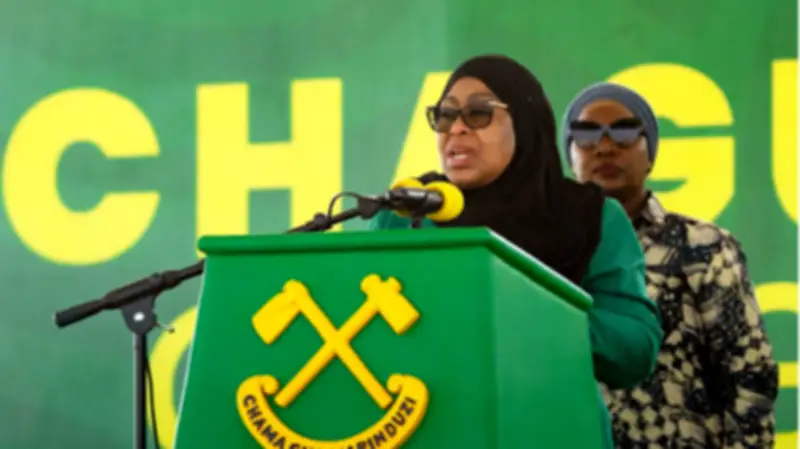
The charges come amid heightened tensions between the government and the opposition. Chadema’s leader, Tundu Lissu, has been imprisoned since April 2025 on treason charges. Lissu, a prominent critic of President Samia Suluhu Hassan's administration, faces allegations related to his political activities. His detention has drawn international criticism and raised concerns about the state of democracy in Tanzania.
Human rights organizations have condemned the use of terrorism charges against protesters, arguing that it stifles dissent and violates fundamental freedoms. The Tanzanian government, however, maintains that it is acting within the law to prevent violence and maintain order.
Legal and Social Implications
Legal experts note that terrorism charges carry severe penalties, including life imprisonment, and can be used to silence opposition. Nshala’s statements underscore the opposition's fear that legitimate political activities are being mischaracterized as terrorism. “Some people are accused of planning to burn public and private properties and others accused of planning to kill police,” he said, suggesting that the evidence against them is flimsy.
The situation has sparked debates about the balance between national security and political freedoms. As the legal process unfolds, the fate of the 61 charged individuals and the 70 others in custody remains uncertain. Chadema has vowed to provide legal support and continue challenging what it sees as a politically motivated crackdown.