Carter Bridge Closure in Lagos: 7 Alternative Routes to Beat Traffic and Reach Island
Lagos drivers and commuters are preparing for significant traffic disruptions as the government announces plans to demolish and reconstruct Carter Bridge, one of Nigeria's oldest and most heavily used bridges. Engineers have declared the structure beyond repair, necessitating a complete rebuild that will close this vital link between Lagos Mainland and Lagos Island.
For thousands of daily commuters who depend on Carter Bridge to access business districts, markets, and workplaces on the Island, this closure presents a major transportation challenge. Traffic congestion is already a constant reality in Lagos, but with proper planning and knowledge of alternative routes, drivers can minimize delays and maintain their daily routines.
1. Third Mainland Bridge: The Most Direct Alternative
The Third Mainland Bridge stands as the most obvious alternative when Carter Bridge becomes inaccessible. As Nigeria's longest bridge at 11.8 kilometers, this structure connects numerous mainland areas including Yaba, Surulere, Ketu, Ojota, Gbagada, and Ogudu to Lagos Island through the Adeniji Adele Interchange.
Important consideration: The Third Mainland Bridge typically absorbs the heaviest traffic when other bridges close. To avoid peak congestion, drivers should plan to travel before 6:30 a.m. or after 10 a.m. whenever possible.
2. Eko Bridge Diversion Route
Eko Bridge provides another major connection between Lagos Mainland and the Island, particularly useful for drivers coming from Apapa, Surulere, and Ikorodu Road areas heading toward Marina and CMS.
The typical route follows this sequence: Funsho Williams Avenue to Costain to Eko Bridge to Apongbon to Lagos Island. This well-established corridor offers reliable access despite potential congestion during peak hours.
3. Iddo-Oyingbo Corridor Connection
The Iddo-Oyingbo route links several major roads and helps drivers bypass immediate congestion around Island bridge approaches. This detour proves particularly useful for commuters coming from Yaba, Sabo, and Ebute areas heading toward CMS.
While not always the fastest option, this route can save valuable time and energy during peak traffic periods. The typical path runs from Herbert Macaulay Way to Oyingbo to Iddo to Apongbon to the Island.
4. Ikorodu Road to Funsho Williams Avenue to Eko Bridge
Drivers originating from Ikeja, Ojota, Berger, Maryland, or Ketu will find this one of the most reliable diversion routes. The sequence follows Ikorodu Road to Fadeyi/Jibowu to Funsho Williams Avenue to Eko Bridge to Apongbon.
This comprehensive route provides mainland-to-island connectivity while avoiding the Carter Bridge area entirely, potentially saving significant travel time during the reconstruction period.
5. Apapa Road – Costain – Oyingbo Route
Commuters from the Apapa, Ajegunle, and Ijora axis can completely avoid the Carter Bridge closure area using this alternative. The route progresses from Apapa Road to Ijora to Costain to Oyingbo, where drivers can connect to either Third Mainland Bridge or Eko Bridge to continue their journey.
This approach helps distribute traffic away from primary Island entrances, potentially resulting in faster travel times to destinations across Lagos.
6. Ikoyi/Victoria Island Route to Marina
For those coming from Lekki or Victoria Island and heading to CMS or Marina, this route eliminates the need to approach Carter Bridge entirely. The path moves from Ozumba Mbadiwe to Bonny Camp to Independence Bridge to Marina.
This option allows direct entry into Lagos Island's business district without utilizing mainland bridges, providing a streamlined alternative for southern Lagos commuters.
7. Water Transport: The Most Underrated Option
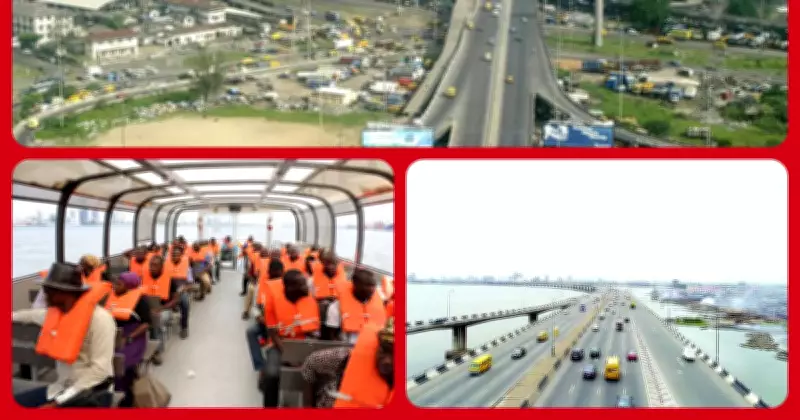
Sometimes the fastest way to cross Lagos involves completely avoiding road transportation. Lagos maintains an expanding network of water routes connecting Mainland and Island locations that many commuters overlook due to limited awareness or personal preferences.
Key water transport options include:
- Ikorodu Jetty
- CMS Jetty
- Marina Jetty
Water transport can save significant time, energy, and even money during rush hours, offering a refreshing alternative to congested roadways.
What Lagos Drivers Should Expect During Reconstruction
With Carter Bridge closure proceeding as planned, commuters should prepare for several significant changes:
- Longer travel times across all alternative routes
- Heavier congestion on remaining bridges and approaches
- Frequent traffic diversions and route adjustments
Traffic management authorities including LASTMA and the Federal Road Safety Corps typically position personnel along diversion routes to help manage vehicle flow during major infrastructure projects. However, in Lagos's dynamic transportation environment, personal route knowledge remains the most valuable asset for avoiding extended delays.
Quick Summary: Best Alternative Routes
If Carter Bridge closes for reconstruction, these represent your most effective alternatives:
- Third Mainland Bridge
- Eko Bridge via Costain
- Iddo-Oyingbo corridor
- Ikorodu Road → Funsho Williams → Eko Bridge
- Apapa Road → Costain → Oyingbo
- Ikoyi → Bonny Camp → Marina route
- Water transport via Lagos jetties
Proactive planning and familiarity with these alternatives will help Lagos drivers navigate the Carter Bridge reconstruction period with minimal disruption to their daily commutes and business activities.