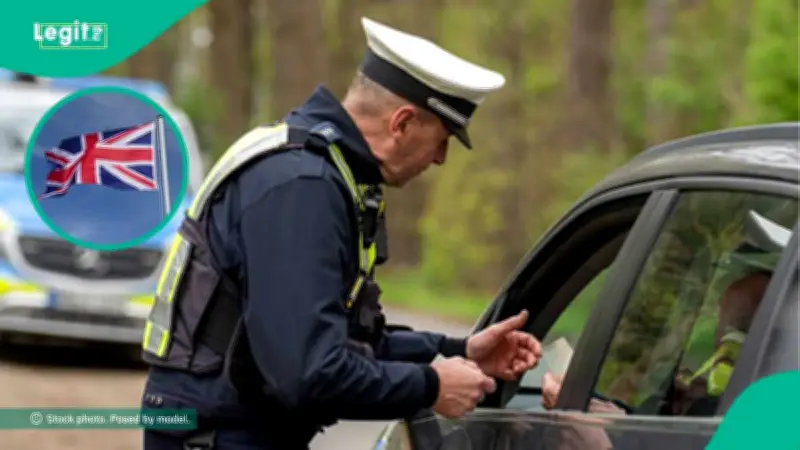
The UK government has clarified what documents drivers must produce when stopped by police, and the rules carry serious consequences for those who fail to comply. Officers have the authority to stop any vehicle at any time, for any reason, and refusing to pull over is a criminal offence.
Three Documents Police Can Request
Once a vehicle is stopped, an officer may ask the driver to produce three specific documents: a valid driving licence, a certificate of insurance, and a Ministry of Transport (MOT) certificate confirming the vehicle has passed its roadworthiness test. Drivers are not required to carry these documents in their vehicle at all times, but anyone who cannot present them immediately is given seven days to take the originals to a police station of their choice.
Additional Powers and Penalties
Beyond requesting documents, UK police officers hold a range of additional powers during a roadside stop. Officers can issue fixed penalty notices on the spot for certain offences, and they are entitled to request a breath test if they suspect a driver has consumed alcohol. One of the more significant powers outlined in the guidance is vehicle seizure. Police can confiscate a car if the driver is found to be operating it without valid insurance, or if other qualifying offences are detected during the stop.
The UK government has also published a list of 62 occupations in high demand, as reported by Legit.ng, highlighting sectors with labour shortages. The guidance on police stops is part of broader efforts to ensure road safety and legal compliance among drivers.