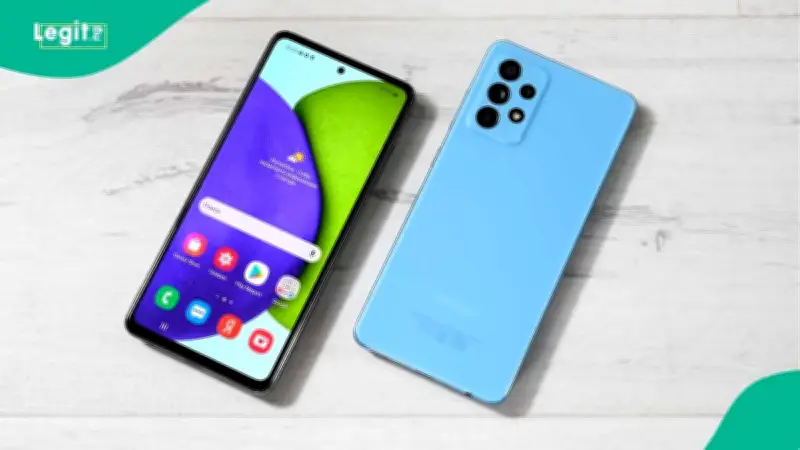
The Nigerian Communications Commission (NCC) has launched a Device Checker tool that enables Nigerians to verify whether mobile phones and other SIM-enabled devices are approved for use on the country's networks. Accessible via the USSD code *315# and the NCC's website, the service is part of enhanced Type Approval compliance arrangements that took effect on October 7, 2026.
How the Device Checker Works
Buyers can dial *315# and follow the prompts or visit the NCC's Device Checker portal before paying for a handset. To check another device, users may need its International Mobile Equipment Identity (IMEI), a 15-digit identification number displayed by dialling *#06#. The result confirms both that the device model has NCC Type Approval and that the individual handset is verified for use on Nigerian networks.
The NCC advises buyers to check second-hand phones too, rather than assume previous network use guarantees an acceptable verification status. The commission says devices confirmed to fall short of applicable requirements, including counterfeit handsets, will be refused access to Nigerian mobile networks.
Devices Covered by the Rules
The framework extends beyond smartphones to feature phones, cellular tablets, SIM-enabled laptops, point-of-sale (PoS) terminals, and eligible connected devices that use mobile networks, according to a report by TechCabal. Type Approval establishes whether a device model meets required technical standards, while individual device verification checks the applicable handset or equipment through its identification records.
For consumers, the distinction matters: purchasing a familiar brand does not remove the need to check the particular device being offered for sale. For businesses, both model approval and device verification must be addressed before equipment reaches buyers.
What Happens to Existing Phones
According to the NCC, phones connected to Nigerian networks before October 7 were automatically verified and generally require no action from their owners. Users whose devices encounter verification problems or compliance restrictions should follow the displayed instructions and contact their seller or service provider.
People bringing phones into Nigeria for personal use may follow a separate verification process, with the commission directing them to call 315 for guidance. An unsuccessful verification result does not automatically establish that a phone is counterfeit; buyers should allow sellers to clarify and resolve the issue before making payment.
Sellers Face Compliance Burden
Manufacturers, importers, suppliers, and retailers carry the responsibility for meeting applicable requirements before selling devices. Consumers purchasing locally are not expected to obtain Type Approval themselves. Businesses must confirm approval, submit required IMEI information, and resolve outstanding issues. Devices already held in stock also require verification, with supporting records potentially requested.
For phones with multiple IMEIs, businesses must submit every assigned identifier. Equipment with unresolved compliance issues should not be supplied or sold. The practical test will be how effectively these checks work across Nigeria's layered distribution networks. A verification tool can help buyers avoid problematic purchases, but effective implementation will also depend on sellers resolving flagged devices and providing clear assistance after a sale.
Legit.ng earlier reported that the NCC has begun electronically verifying SIM-enabled devices in a fresh move to identify and block fake, cloned, and non-compliant phones, modems, and PoS terminals from connecting to telecommunications networks. The initiative is designed to strengthen consumer protection, improve network performance, and ensure that telecommunications equipment sold and used in Nigeria meets established technical standards.