Refereeing Controversy Overshadows Football at 2026 World Cup
The 2026 World Cup is being marred by allegations of biased officiating and political interference, diverting attention from on-field brilliance. From questionable VAR decisions favoring Argentina to direct intervention by world leaders, the tournament's integrity is under scrutiny.
Key Incidents Fueling Suspicion
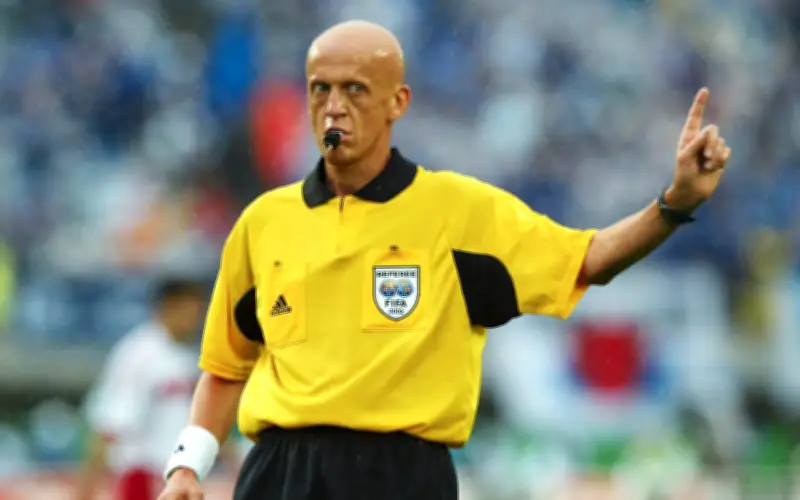
In the Round of 32 match between Egypt and Argentina, Egyptian forward Mohamed Salah was denied a penalty after a tangle with Julian Alvarez in the box, moments before Argentina scored the winning goal. FIFA refereeing chief Pierluigi Collina defended the decision, calling it "normal football contact." However, critics point to inconsistency: a similar challenge by USMNT's Folarin Balogun resulted in a red card, later overturned after U.S. President Donald Trump personally lobbied FIFA President Gianni Infantino.
Infantino himself sparked controversy when, after Argentina's 3-2 extra-time win over Cape Verde, he told an Argentine reporter, "Tonight, I suffered with Argentina," before quickly adding, "but I'm neutral." This followed allegations from the 2022 World Cup final where Argentina benefited from five penalty calls.
Pattern of Marginal Calls Favoring Argentina
In Argentina's group match against Algeria, Lionel Messi escaped punishment for a studs-up challenge on Aissa Mandi. Algeria's federation formally complained to FIFA. Days later, Balogun received a straight red for a similar challenge, which even opponent Tarik Muharemović deemed harsh. Trump's intervention led to a 24-hour reversal, raising questions about due process.
In the Round of 16, Egypt led 2-0 before VAR disallowed a goal by Mostafa Ziko for a foul committed 20 seconds earlier, far from the ball. FIFA's protocol permits review of any foul in buildup, but critics argue it violated the spirit of the Laws. Argentina completed a 3-2 comeback, with Messi scoring his 21st World Cup goal.
Senegal's Heartbreak and Broader African Pattern
Senegal suffered a similar fate: leading Belgium 2-0 with five minutes left, they conceded twice in regulation, then a penalty in the 124th minute after a seven-minute VAR review. Many analysts argued Belgian midfielder Youri Tielemans engineered the contact. This echoed Senegal's AFCON final loss to Morocco on a late penalty.
Brazil had a Vinicius Junior goal disallowed against Scotland for a soft foul, prompting a formal complaint. Ghana were denied a penalty against England, and Germany's Julian Nagelsmann called a disallowed extra-time goal against Paraguay "a joke."
Political Interference and Commercialization
Infantino awarded Trump the inaugural "FIFA Peace Prize" in December 2025, months before Trump's phone call. Iran's federation nearly boycotted the draw after its president was denied a U.S. visa. Tickets for the final cost $11,000, defended by Infantino as "market rates," while stadiums had empty seats.
Lessons for African Teams Ahead of 2030
African teams must address game management: Senegal and Egypt collapsed after leading 2-0, conceding four combined goals in the final 25 minutes. Belgium coach Rudi Garcia said, "They lose their tactical structure towards the end of the match." He later clarified he referred to teams unaccustomed to managing leads.
Only two African referees served on VAR duty at this World Cup. CAF and federations must develop more elite officials to ensure representation in decision-making rooms. Institutional VAR literacy and formal protests, as Algeria did, are crucial.
As Morocco co-hosts 2030 with Spain and Portugal, African teams must close out games with structure, not adrenaline, and build knockout experience to avoid unraveling under pressure.