The Brookings Institution has published a major analytical series examining the global consequences of the 2026 joint US-Israel military operations against Iran, warning that the conflict carries lasting implications for international security, energy markets, and America's strategic position worldwide.
The series, titled "Blowback: How the Iran war may change the world," was produced by researchers and experts across the organization. It comes more than 100 days after the initial strikes, which killed Ayatollah Ali Khamenei after nearly 37 years as Iran's supreme leader, along with dozens of senior military and political officials.
Despite the scale of the operation, the Iranian regime survived and began striking back almost immediately, according to the Brookings analysis.

Iran's Retaliation and the Hormuz Blockade
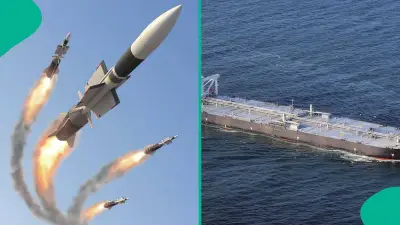
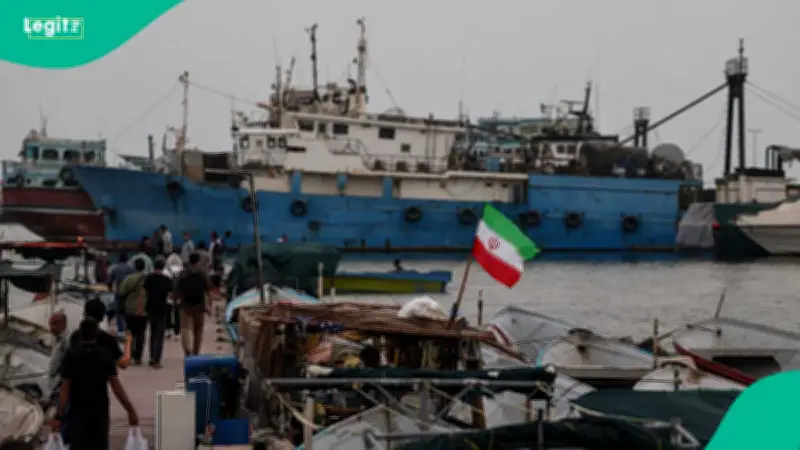
Tehran's response included missile and drone attacks on Israeli and Gulf state targets, US military bases, and vessels in the Strait of Hormuz. Iran's effective blockade of the strait, through which roughly 20% of the world's oil and liquefied natural gas typically passes, has caused energy prices to spike globally.
While prices did not reach worst-case projections of $150 to $200 per barrel, largely because China cut imports and governments released strategic reserves, the disruption has fed persistent inflation and put pressure on bond markets. Countries in Southeast Asia reliant on manufacturing have suffered fuel shortages, shortened working weeks, and disrupted remittances for migrant workers based in the Middle East.
US Military Stretched Thin
The Brookings analysis warns that the war has exposed critical vulnerabilities in American military doctrine. Forward-deployed US bases and surface ships, long considered relatively safe, have proved susceptible to precise Iranian missile and drone strikes. The US Navy launched an operation called "Epic Fury" but has struggled to fully reopen or clear mines from the strait.
Meanwhile, Washington's deepening involvement in a Middle Eastern war of attrition has weakened its posture in Asia, with scaled-back military exercises on the Korean Peninsula reducing regional readiness. The institution's researchers noted that North Korea may view Iran's experience as confirmation that nuclear weapons remain the only reliable guarantee of regime survival, while China stands to benefit as US resources and diplomatic credibility are stretched thin.
Fractures in Middle East Alliances
Rather than weakening Iran's hardline establishment, the killing of its top leadership has produced a more militarised and vengeful successor regime, according to the series. Gulf Cooperation Council states, which absorbed retaliatory strikes after Washington rejected their appeals to avoid war, are now reassessing their reliance on the United States and moving towards broader international partnerships.
The report also notes that the conflict has further isolated Israel from its Gulf neighbours and from Washington, while unresolved tensions in the Israel-Palestine situation continue to fuel long-term regional instability.
The Brookings series was framed as a resource for policymakers in Washington and around the world as they navigate the evolving fallout of a conflict that shows no clear path to resolution.
Legit.ng earlier reported that oil prices climbed again this week as fresh fighting between the United States and Iran broke the relative calm that had held for several weeks, with Iran continuing to control the Strait of Hormuz, the waterway through which roughly 20% of global oil shipping passes.