Heavy gunfire and explosions erupted near Niamey's international airport and the security perimeter around the presidency in Niger Republic on Saturday, August 29, marking the third such incident in the capital this year. The attack lasted roughly two hours, according to Reuters, with violence concentrated in the city's key security zones.
Attack Details and Official Response
The assault began early Saturday morning, August 29, with witnesses reporting sustained fighting that continued even after official statements suggested the situation was under control. Bana Ibrahim, a member of Niger's Bureau of the Consultative Council, announced the attack on Facebook, writing: "Another cowardly attack against Base 101 and once again our defense and security forces have ensured." He added that the situation was "under control," but witnesses told Reuters that fighting persisted after his post went up.
Earlier in 2026, jihadists struck Niamey twice, with both attacks targeting areas of the capital including the airport. The recurrence of violence in the capital highlights the persistent security challenges facing the country.
Who Is Behind Saturday's Attack?
No group has claimed responsibility for the violence, and both the identity of the attackers and their motive remain unknown. Observers offered competing explanations. Wasim Nasir, a French journalist who covers Sahel conflicts, posted on X that the attack was likely a "coup d'état" and a "settling of scores between military personnel." Conflict researcher Hasret Kargin was more cautious, saying "there is currently no information on whether the attack was carried out by jihadists or was an attempted coup," and adding that "rebel groups could also be added to the list of possibilities."
Niger has faced persistent threats from armed groups, including affiliates of the Islamic State and al-Qaeda operating across the Lake Chad basin and the wider Sahel region. The presence of these groups has complicated the security landscape, with multiple actors potentially capable of launching such an attack.
Niger Under Junta Rule
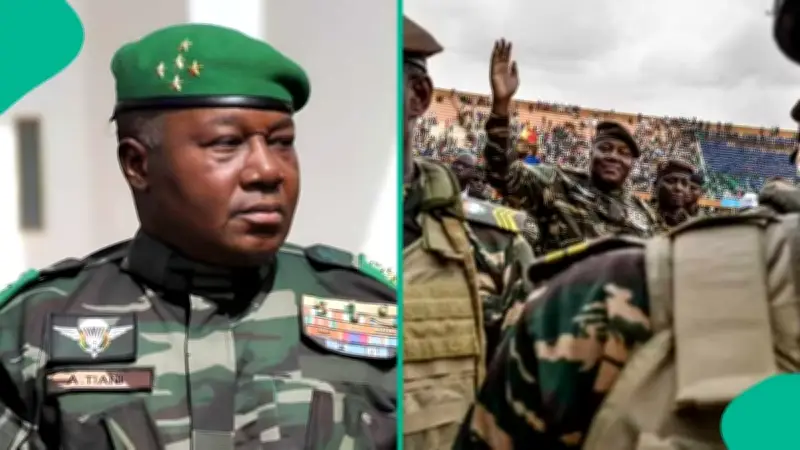
General Abdourahamane Tchiani has led Niger's military government since July 2023, when soldiers seized power and detained the elected president, Mohamed Bazoum. Since then, the junta has struggled to contain jihadist violence while also navigating a tense relationship with the Economic Community of West African States (ECOWAS), which condemned the coup. The political situation remains fragile, with the military government facing both internal and external pressures.
As of the time of this report, the government had not issued any further official statement on Saturday's attack. The lack of a definitive official response leaves many questions unanswered about the nature and perpetrators of the assault.
Regional Security Concerns
In a related incident, suspected terrorists detonated an explosive on a strategic bridge in Niger State on the evening of Sunday, March 22, severing a vital transport link used by traders and residents across several communities. The blast destroyed the bridge along the Wawa Luma Guffanti road, a route that connects rural settlements, farmlands and major markets in the area, Premium Times reported. This incident underscores the broader regional security threats that Niger and its neighbors continue to face.
The Saturday attack in Niamey, coming after two earlier strikes this year, demonstrates the persistent vulnerability of the capital to armed violence. With no claim of responsibility and competing theories about the attackers' identity, the situation remains tense, and the junta's capacity to secure the capital will likely face continued scrutiny both domestically and internationally.