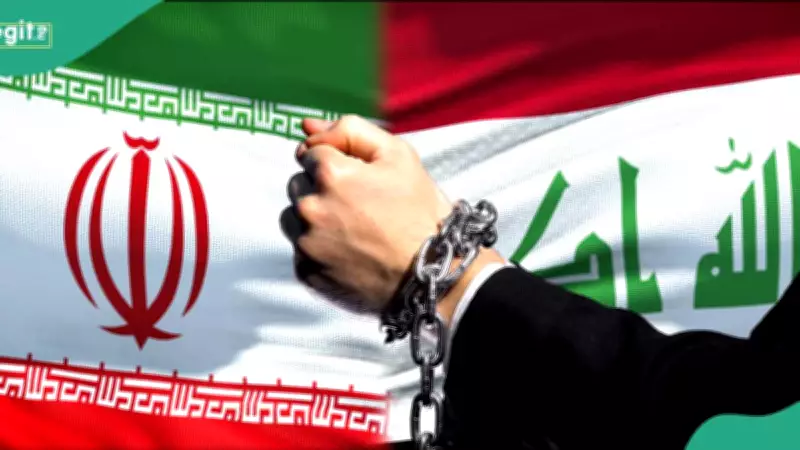
Iran Executes Man Convicted of Spying for Israel's Mossad Intelligence Agency
Iran has carried out the execution of a man convicted of spying for Israel, according to judicial authorities in the country. The judiciary confirmed that the convict, identified as Kurosh Keyvani, was found guilty of providing sensitive images and information to Israel's intelligence agency, Mossad.
Judicial Proceedings and Conviction Details
The judiciary's news agency, Mizan, reported that Keyvani was executed following the completion of legal proceedings. He was convicted after being found "guilty of providing Israel's spy agency, Mossad, with pictures and information about sensitive locations in Iran." The report did not provide further details on when Keyvani was arrested or the duration of the investigation.
Iranian judicial cases involving national security charges are typically handled by special courts. Officials have repeatedly warned against cooperation with foreign intelligence agencies, describing such acts as serious threats to national security.
Context of Iran-Israel Shadow Conflict
The case is linked to Iran's long-running covert conflict with Israel, which involves cyber activity, covert operations, and regional proxy confrontations. Tehran has accused Israel of conducting sabotage, assassinations, and intelligence operations inside Iran.
Over the years, Iran has executed several individuals it accused of maintaining links with Mossad or aiding its activities. The government maintains that such measures are necessary to deter espionage and protect strategic interests. Executions related to espionage cases have increased in recent years, particularly those connected to alleged Israeli operations.
Regional Tensions and Economic Implications
This execution occurs amid heightened regional tensions. Iran has declared readiness for a prolonged conflict that could cripple the global economy, as hostilities in the Middle East intensify and critical trade routes come under threat. The warning followed attacks on commercial shipping and signals from Tehran that vessels linked to the United States and its allies would be considered legitimate targets.
Iran has tightened control over the Strait of Hormuz, a corridor that handles a major share of the world's oil and liquefied natural gas exports. Oil markets have reacted sharply to the deteriorating security situation, with prices climbing steadily since late February when US and Israeli strikes on Iran triggered a wider regional war.
The surge prompted the International Energy Agency to announce the release of 400 million barrels of oil from member states' reserves, its largest coordinated drawdown to date.
Incident in Saudi Arabia Amidst Conflict
In a related development, amid the US-Iran war, a military projectile struck a residential compound used by a maintenance and cleaning company in Al-Kharj, Saudi Arabia. Saudi authorities confirmed that two people were killed and 12 others sustained injuries in the incident.
According to the Saudi Gazette, the Saudi Civil Defence said the projectile hit the residential site and caused damage to the facility. Emergency response teams arrived shortly after the incident and carried out standard rescue and safety procedures.