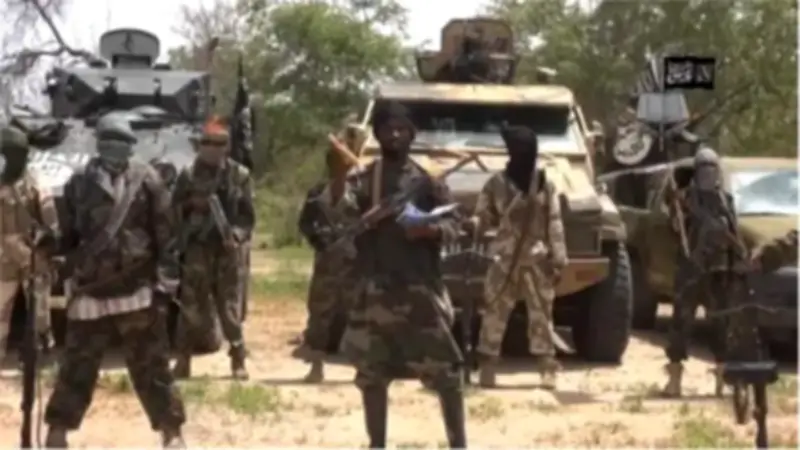
According to a report by security analyst Zagazola Makama, suspected Islamic State fighters launched a coordinated assault on a military position at Dankassari, located between Doutchi and Yaya in the Dosso Region, on Friday, July 30. The attackers overran the forward operating base of the Nigerien Defence and Security Forces (FDS) after intense fighting, leaving at least 21 soldiers dead in what was described as the latest in a series of devastating attacks on the country's armed forces.
Just hours earlier, another attack had struck the town of N'Guigmi in the Diffa Region, where 17 members of the Nigerien Defence and Security Forces, including an officer, were killed in a separate assault also attributed to suspected Islamic State fighters. The two incidents together brought the combined death toll among Nigerien security personnel to 38 within a single day, a stark reminder of the persistent threat posed by extremist groups operating across the Sahel.
Coordinated Assault on Dankassari Military Base
Makama reported that the attack on Dankassari involved a large number of fighters who overwhelmed the base's defences. The forward operating base, which served as a key outpost for the FDS in the Dosso region, fell after a period of intense combat. “The consolidated casualty figure stood at 21 soldiers killed. The number of wounded or missing personnel was not immediately available,” Makama stated. This quote underscores the severe toll exacted on the Nigerien forces in a single engagement.
The Dosso region has become increasingly affected by cross-border operations by jihadist groups that are active in the Sahel, despite the presence of Nigerien and international forces. The base at Dankassari, positioned between Doutchi and Yaya, was likely seen as a strategic target for the insurgents, who have frequently attacked military outposts to capture weapons, ammunition, and vehicles. The selection of this location highlights the challenges of defending remote installations in Niger's vast and sparsely populated territory, where reinforcements and intelligence can be slow to reach the front lines.
Deadly Assault in N'Guigmi, Diffa Region
The attack in N'Guigmi, which came hours before the Dankassari assault, targeted a separate contingent of Nigerien security forces. At least 17 soldiers, including an officer, were killed in that incident. The Diffa region, near Lake Chad, has long been a hotspot for Boko Haram and Islamic State West Africa Province (ISWAP) militants. This latest attack suggests that these groups remain capable of inflicting heavy casualties despite sustained military operations aimed at diminishing their influence.
The two attacks, occurring within such a short timeframe, indicate a level of coordination and planning by the insurgents that has raised alarm among security analysts. Niger's government has been engaged in a multi-front campaign against extremist groups, but the ability of the militants to simultaneously strike two separate military positions demonstrates a concerning degree of operational sophistication. The timing and targeting also suggest that the attackers benefited from local intelligence, a recurring problem in counterinsurgency efforts throughout the Sahel.
Rising Toll Since the 2023 Military Takeover
These latest deaths add to a grim casualty record in Niger since the military takeover on July 26, 2023. Data compiled by the Armed Conflict Location and Event Data (ACLED) project indicates that at least 5,828 people, including more than 2,000 members of the country’s Defence and Security Forces, have been killed in terrorism-related violence over that period. The figures, cited in Makama's report, reflect the intensifying conflict that has plagued the country and the wider Sahel region, where weak state authority and poverty provide fertile ground for extremists.
The ongoing military operations in the Tillabéri, Dosso, Diffa, and Tahoua regions have so far failed to decisively neutralize the extremist threat. While the armed forces have achieved some tactical successes, the militants have adapted by targeting weaker outposts and spreading their operations across multiple areas, as demonstrated by the July 30 attacks. Analysts note that the frequency and lethality of such assaults indicate an evolving insurgency that requires a comprehensive response beyond purely military measures, including addressing governance deficits and local grievances.
Security Challenges Demanding Regional Response
The attacks have once again brought to the fore the need for enhanced security cooperation among countries in the Sahel, as extremist groups continue to exploit regional instability. Niger, along with its neighbours Burkina Faso and Mali, has been struggling to contain a wave of insurgency that has killed thousands and displaced millions across the region. The cross-border nature of these jihadist networks makes it imperative for nations to share intelligence and coordinate operations, yet political tensions and shifting alliances have often hampered collective action.
Makama, citing the latest incidents, called for increased vigilance and a reassessment of current security strategies to prevent further losses. Without immediate and coordinated efforts, the death toll among security forces is likely to keep climbing, further destabilizing a country already facing multiple challenges. The deaths of 38 soldiers in a single day is not just a statistical tragedy; it represents a significant blow to Niger's ability to protect its sovereignty and civilian population, and it raises urgent questions about the sustainability of the current approach to counterterrorism in the Sahel.