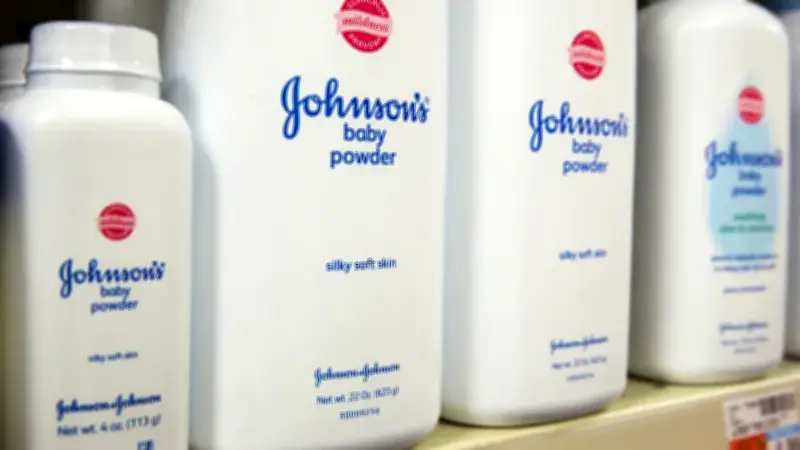
Johnson & Johnson (J&J) has proposed a $5.5 billion settlement to resolve approximately 76,000 lawsuits in the United States that claim its baby powder and other talc-containing products caused ovarian cancer. The announcement came on Monday, covering cases consolidated in a federal court in New Jersey as well as related state court actions, representing nearly all remaining talc claims against the company.
Background of the Litigation
The lawsuits have been ongoing for over a decade, with plaintiffs alleging that J&J's talc products contained contaminants that led to cancer. Previously, the company had settled most cases involving asbestos contamination and mesothelioma, a rare cancer linked to asbestos exposure. The current settlement focuses on ovarian cancer claims.
Plaintiffs’ law firms confirmed the deal on Monday, describing it as a positive outcome after a long legal battle. The settlement must be approved by at least 95% of the ovarian cancer claimants in state or federal court before it becomes final.
Company's Stance and Legal Strategy
Erik Haas, Johnson & Johnson’s vice president of litigation, reiterated that the company considers the claims meritless. “While we are confident the company would have ultimately prevailed with further litigation, as it has in the vast majority of cases tried to date, this resolution allows the company to put this matter behind it and remain focused on its mission to develop medicines and devices that save lives,” Haas said.
J&J expects to pay $3 billion in 2027, with additional payments in 2028. However, the total payout could increase depending on the number of claimants participating. Chris Seeger, a lawyer representing about 2,500 clients with talc claims and a key negotiator, noted that the company might ultimately pay $7 billion or more. The settlement assigns specific values to qualifying ovarian cancer claims but does not cap J&J’s total payout. “We got a fair settlement, and our clients are going to be happy with it,” Seeger stated.
Court Victories and Settlement Timing
The settlement comes after a series of legal victories for J&J, including wins in individual trials, successful disqualifications of plaintiffs’ lawyers, and court rulings that excluded key expert testimony used by plaintiffs. These developments likely influenced the timing and terms of the settlement.
Justice Bella, a legal analyst, commented that the deal allows J&J to avoid further uncertainty and cost while providing compensation to claimants. The settlement structure, with phased payments, reflects a compromise between the company’s desire for closure and plaintiffs’ need for timely compensation.
Impact on Claimants and Future Litigation
If approved, the settlement would resolve the vast majority of ovarian cancer talc claims against J&J. Claimants who opt in must agree to release the company from further liability. Those who do not participate may continue to pursue individual lawsuits, though the company’s legal momentum could make future trials more challenging for plaintiffs.
The deal marks a significant chapter in the long-running talc litigation, which has seen thousands of cases filed across the country. J&J has maintained that its talc products are safe and asbestos-free, but the settlement allows the company to move forward without the distraction of mass litigation.