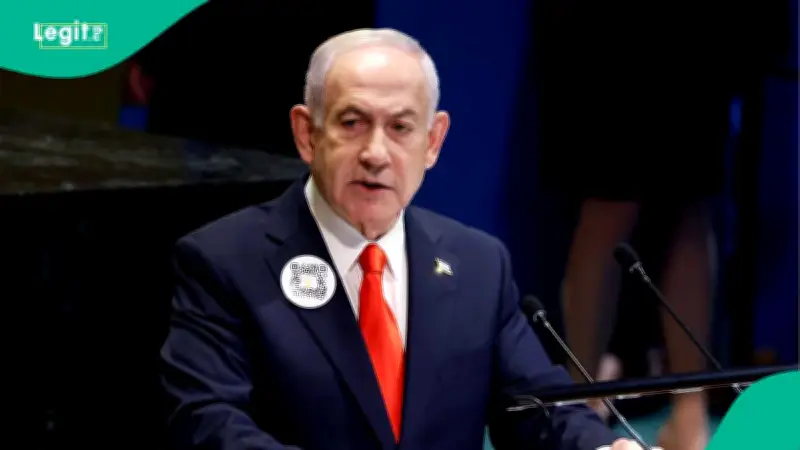
Israeli Prime Minister Benjamin Netanyahu has formally rejected US President Donald Trump's 15-point Gaza peace plan, insisting that Israel will not withdraw its military forces until Hamas is 'genuinely' disarmed. The rejection, announced during a cabinet meeting on Sunday, deals a significant blow to the US initiative unveiled in September.
Netanyahu's Firm Stance on Disarmament
At the cabinet meeting, Netanyahu declared: 'Israel rejects the 15-point document.' He stressed that the Israeli military 'will not carry out any withdrawal until Hamas is genuinely disarmed and will continue to thwart threats against our forces and our citizens.' This statement underscores the deep impasse between the two sides, as Hamas has conditioned its disarmament on Israel ending aggression and withdrawing troops.
The rejection comes just over a week after Trump praised Hamas's conditional agreement to disarm as a 'monumental step toward lasting peace and security.' The US plan, announced in September, included the creation of a Board of Peace, disarmament of Hamas and other armed groups, Israeli troop withdrawal, and reconstruction of Gaza. However, Israel has continued airstrikes in Gaza since the initial ceasefire in October.
Hamas's Conditional Acceptance
Hamas has indicated readiness to hand over heavy weapons but only if Israel ends 'all forms of aggression' and withdraws forces from Gaza. A Hamas official told the BBC that the group 'reaffirms its commitment' to the agreement and is prepared 'to engage seriously and responsibly in implementing' the plan. The official urged mediators to ensure 'that all parties comply with what has been agreed.'
This conditional acceptance highlights the fundamental disagreement: Hamas demands withdrawal before disarmament, while Israel insists on disarmament before withdrawal. The stalemate casts doubt on the viability of Trump's peace initiative.
Political Pressures on Netanyahu
Netanyahu's rejection also reflects domestic political pressures ahead of Israeli elections. Hardline coalition members, including National Security Minister Itamar Ben Gvir, have dismissed the plan as 'not acceptable.' Netanyahu acknowledged these internal dynamics, saying: 'They have ideas; some of them are acceptable to us and some are not, and we know how to stand our ground on these matters.'
The political calculus suggests that Netanyahu is balancing international expectations with the demands of his right-wing base, which opposes any concessions that might leave Hamas in a position of strength.
Humanitarian Catastrophe in Gaza
The conflict has exacted a devastating toll on Gaza's population. According to the United Nations, about 1.9 million people — 90% of Gaza's population — have been displaced since the war began. The war was triggered by the Hamas-led attack on southern Israel on October 7, 2023, which killed about 1,200 people and resulted in 251 hostages. In response, Israel's military campaign has killed more than 73,000 people, according to Gaza's health ministry, figures considered reliable by the UN.
The humanitarian situation remains dire, with widespread displacement, destruction of infrastructure, and a looming famine risk. International aid agencies have repeatedly called for a ceasefire to allow humanitarian access.
Prospects for Peace Uncertain
Netanyahu's stance signals another major setback for Trump's Gaza peace plan. With both sides holding firm, the path to lasting peace remains uncertain. The international community, including mediators from Qatar, Egypt, and the US, faces an uphill battle in bridging the gap between Israeli security demands and Palestinian calls for an end to occupation.
As the war enters its third year, the cycle of violence continues, with no clear end in sight. The rejection of the peace plan underscores the deep-seated mistrust and conflicting priorities that have plagued Israeli-Palestinian negotiations for decades.