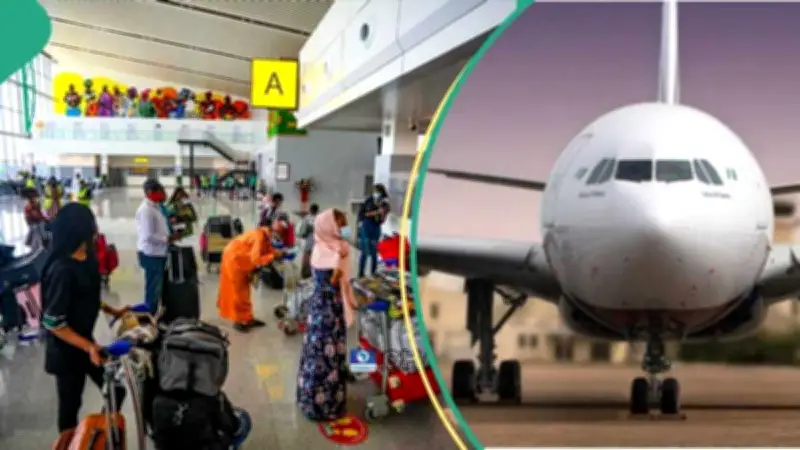
The Airline Operators of Nigeria (AON) has issued a stark warning to labour unions, stating that domestic airlines may completely shut down flight operations nationwide if any member airline is picketed again. The threat follows the August 11, 2026, disruption of flights at Lagos and Abuja airports, which the association says caused significant financial losses and exposed security weaknesses.
AON's Ultimatum After Abuja Meeting
In a communiqué released after its general meeting in Abuja on Tuesday, September 22, 2026, the AON declared that it would no longer tolerate what it described as unlawful interference with airline operations. The association said it stands firmly with Air Peace and other member airlines against actions that could threaten the safety of passengers, workers, and aircraft.
The warning comes after labour unions blocked access to departure terminals at the Murtala Muhammed Airport Terminals 1 and 2 in Lagos and the Nnamdi Azikiwe International Airport in Abuja. The protest was over alleged unpaid Ticket Sales Charges (TSC) and concerns over workers' unionisation.
The AON stated: "To this end, therefore, the AON would like to state in unequivocal terms that should the events of August 11, 2026, repeat themselves again against any domestic airline, the entire AON member airlines will immediately shut down operations."
Financial Impact and Passenger Disruption
The AON reported that airlines suffered huge financial losses during the August disruption. Air Peace alone recorded more than 70 affected flights and estimated losses exceeding N2 billion. United Nigeria Airlines also had more than 30 flights disrupted, affecting approximately 13,000 passengers.
The airlines were forced to rebook passengers, provide accommodation, issue refunds, reposition crew, and reschedule aircraft. These actions created additional costs for operators already dealing with high fuel and foreign exchange-related maintenance expenses.
The AON noted that the disruption went beyond Lagos and Abuja because both airports serve as major hubs connecting passengers to other destinations across Nigeria. It warned that similar action in the future could have an even wider impact on domestic air travel.
Security Concerns and Investor Confidence
The association said the incident exposed major weaknesses in airport security and emergency response procedures. It called for an immediate review of security arrangements at airports, particularly the response of Aviation Security (AVSEC) personnel to disruptions. The AON also alleged that some union members had assaulted airline workers, describing such incidents as a serious threat to a safe operating environment.
The airline operators expressed concern that airport disruptions could weaken investor confidence in Nigeria's aviation industry. According to the AON, aircraft lessors that had recently shown interest in the Nigerian market could reconsider their plans because of concerns over the ease with which airline operations could be disrupted.
Airlines Defend Against Delay Criticism
The association also pushed back against criticism over frequent flight delays and cancellations. It said airlines have no financial interest in deliberately delaying or cancelling flights because such disruptions result in significant revenue losses and damage their reputation. The AON maintained that many delays and cancellations in Nigeria are caused by factors outside airlines' control.