Local sources in Sudan have reported that more than 20 civilians were killed and many others injured during clashes in Geisan town, located in Blue Nile State, on August 11, 2026. The violence marks another deadly chapter in the country's ongoing conflict, which continues to spread across multiple regions.
Mass Displacement and Urgent Humanitarian Needs
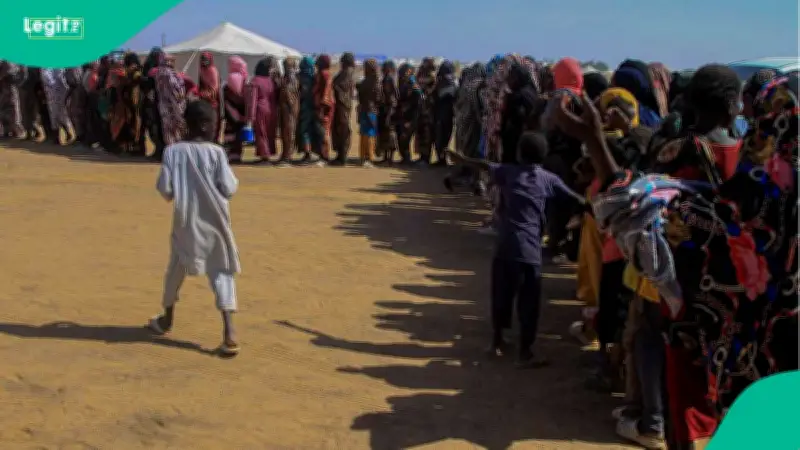
The International Organization for Migration (IOM) confirmed that approximately 2,500 residents fled Geisan on the same day as the surge in violence. This adds to the growing number of internally displaced people across Sudan, where the conflict has already uprooted hundreds of thousands from their homes.
According to the UN's Office for the Coordination of Humanitarian Affairs (OCHA), violence across Sudan continues to inflict a severe toll on civilians and is forcing more people to leave their homes in multiple parts of the country. The incidents in Blue Nile State and North Kordofan State reflect the widening reach of the conflict, which has disrupted essential services and left many in need of emergency assistance.
Drone Strikes Damage Critical Infrastructure in El Obeid
In a separate attack on August 12, multiple drones reportedly struck El Obeid, the capital of North Kordofan State. The UN human rights agency noted that there is currently no confirmed information on civilian casualties from the strikes. However, it confirmed that one of the drones hit a water station in the city.
The attack on the water infrastructure drew particular concern given that access to clean water is already among the most urgent humanitarian challenges El Obeid faces. Damage to such vital facilities exacerbates the suffering of civilians and complicates relief efforts.
Broader Conflict Context and International Concern
The recent violence in Geisan and El Obeid underscores the expanding geographic scope of Sudan's civil war, which has been raging since April 2023. The conflict between the regular army and the paramilitary Rapid Support Forces (RSF) has escalated in recent weeks, notably with the RSF's capture of the major city of El-Fasher in Darfur at the end of October.
Analysts have linked the prolonged conflict to Sudan's natural resources, with foreign powers vying for control of its gold, fertile farmland, and coastline. The fighting has caused widespread displacement, disrupted essential services, and left hundreds of thousands of people in need of humanitarian assistance across the country.
As the situation develops, the international community continues to monitor the crisis, with UN agencies calling for immediate humanitarian access and protection of civilians. The attacks on civilian infrastructure, such as the water station in El Obeid, highlight the urgent need for a ceasefire and a negotiated resolution to the conflict.