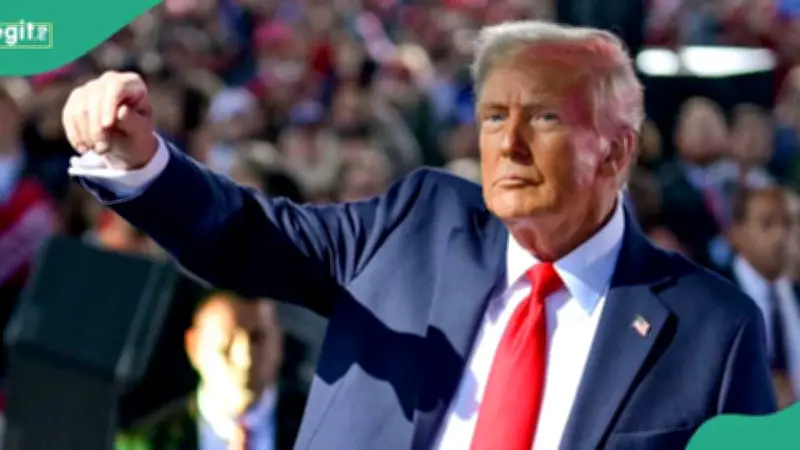
The United States government has deported more than three million foreigners in 15 months since President Donald Trump returned to office, according to a White House fact sheet released on Wednesday, August 12, 2026. The announcement came as Trump signed two Executive Orders on Thursday aimed at tightening rules around American citizenship, building on a recent Supreme Court decision that narrowed the scope of birthright citizenship.
Supreme Court Ruling and New Executive Orders
The move followed the Supreme Court's June 30, 2026 ruling in Trump v. Barbara, which held that the Constitution grants citizenship to children born in the United States only to parents "for whom no extraterritorial fiction applies." The White House said the ruling gave the administration fresh legal backing to act.
The first executive order identifies specific categories of children born to foreign nationals who are not entitled to automatic citizenship under the Constitution, consistent with exceptions the Supreme Court recognized in the Barbara decision. The White House described the list as non-exhaustive.
The second order delegates authority to the Secretary of State and the Secretary of Homeland Security to crack down on birth tourism, a practice where foreign nationals travel to the United States specifically to give birth so their child acquires citizenship. The administration said such visitors often work with criminal syndicates to exploit temporary admission into the country.
Broader Immigration Enforcement Record
Alongside the new orders, the White House outlined what it called a wider effort to overhaul the immigration system since Trump returned to office. According to the administration, no illegal aliens have been released into the country for 15 consecutive months. More than 3 million illegal aliens have been deported, including thousands convicted of violent crimes.
Trump's administration also said it has filed legal claims against 88 individuals who obtained United States citizenship despite being ineligible. Other measures cited include the termination of taxpayer-funded benefits for over 1.4 million illegal aliens, the suspension of visa processing for 75 countries considered high-risk, and reforms to the naturalisation test designed to better assess applicants' knowledge of American history and government. The administration also said it is working to remove tens of thousands of undocumented individuals from state voter rolls.
Trump described American citizenship as "a priceless and profound gift" and framed the orders as part of a commitment to protect its value and integrity.
Implications for Nigeria and Recent Deportations
Recall that the United States released an updated deportation list showing 124 Nigerians placed on what it called its "worst-of-the-worst" criminal register. While the names and photos of those affected have been made public, the timeline for deportations and details of offences remain undisclosed. The move showed Washington's continued focus on immigration enforcement, with implications for Nigeria–US relations and visa compliance.
Meanwhile, Legit.ng also reported that the United States released the names and photos of several criminal illegal aliens recently deported. These individuals were convicted of serious crimes including murder, drug trading, burglary, and sexual assault. The Department of Homeland Security said the deportations reflect its ongoing commitment to reducing crime and safeguarding communities.