In a dramatic military intervention, the United States has executed targeted missile strikes against terrorist camps in Nigeria, marking a significant escalation in the fight against insurgency in West Africa. The operation, which took place in the dead of night on December 25, 2025, targeted ISIS militants in the Jabo community in Sokoto State.
A Promise Delivered: The Christmas Night Strike
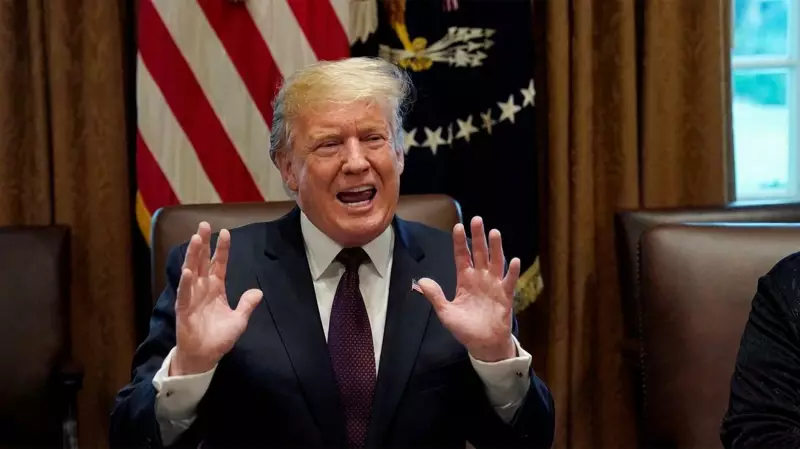
The strikes fulfilled a threat made by United States President Donald Trump on November 1, where he warned of action against terrorist positions in Northern Nigeria if the country did not address its security challenges. Confirming the operation on his social media platform, President Trump described the strikes as "perfect." He indicated that more such actions are planned for other parts of northern Nigeria in the coming weeks and months.
The attack was carried out using a Tomahawk missile, launched from a U.S. warship stationed in the Gulf of Guinea. The missile is reported to have travelled over 1,600 kilometers to reach its target. While official casualty figures from the Sokoto strike remain unknown, the action represents a direct foreign military intervention on Nigerian soil, albeit with stated cooperation from the Nigerian government.
Diplomatic Framework and Nigerian Collaboration
According to statements from both the U.S. Department of War, AFRICOM, and the Nigerian Ministry of Foreign Affairs, the strikes were conducted as a collaborative effort. This follows nearly two months of intense diplomatic engagement between the two nations to establish a framework for the operations.
In a BBC interview on Friday morning, Nigeria's Foreign Minister, Yusuf Tuggar, emphasized that President Bola Tinubu authorized the U.S. action. "Now that the U.S. is cooperating, we would do it jointly," Tuggar stated. He stressed the operation was not targeting any religion but was aimed at safeguarding Nigerian lives and property. The emphasis on collaboration appears designed to placate potential opposition in Northern Nigeria, a region that has suffered immensely from terrorism but where some remain wary of foreign intervention.
Preparations for the strike included surveillance flights over Nigeria from Accra, Ghana, since late November. These intelligence-gathering missions focused on terrorist groups, including Boko Haram and ISWAP (Islamic State of West Africa Province).
Security Failures and a Humbling Moment for Leadership
The U.S. intervention underscores the perceived failures of successive Nigerian governments to contain a security crisis that has plagued the nation for over 16 years. The article highlights the capture and murder of General Musa Uba, Commander of the 25 Task Force Brigade in Damboa, Borno State, on November 14, as a symbol of the deteriorating situation. This incident fueled speculation of saboteurs within the armed forces.
Criticism is directed at the Tinubu administration for appearing "indolent" in its security response, with accusations that it is more focused on the politics of the 2027 elections than on governance. The National Assembly is also criticized for being too pliant and failing to hold the executive accountable.
The piece notes a stark contrast in leadership communication following the strike: while President Trump promptly announced the operation, President Tinubu remained silent, a dynamic described as "a humbling moment for the Nigerian leader."
While some initially opposed Trump's November threat, fearing a violation of sovereignty, the author argues that U.S. intervention is vital for defeating terrorism. The choice of Sokoto over Borno as the first target is defended, citing the advanced intelligence gathered from reconnaissance flights, suggesting the U.S. military precisely identified a key terrorist assembly point.
Ultimately, these missile strikes, and those promised to follow, are presented as a potentially positive development in Nigeria's long-standing war on terror, even if the United States is firmly "in the driver's seat."