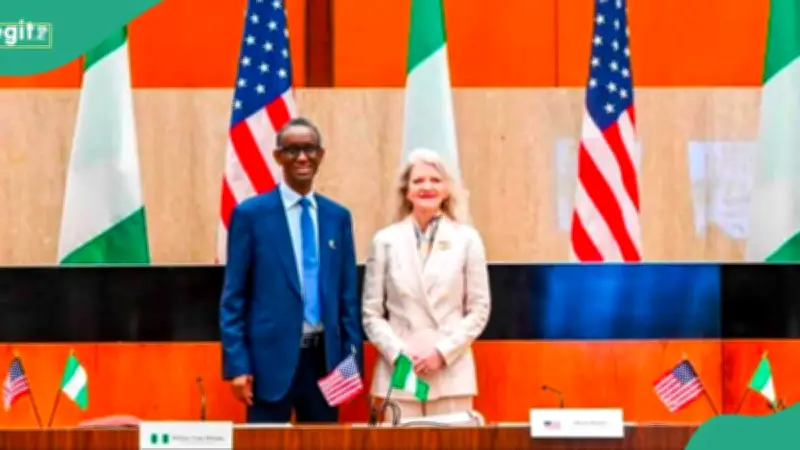
The United States and Nigeria convened the second session of their Joint Working Group (JWG) in Washington on August 12, 2026, to assess progress on religious freedom, security cooperation, and accountability measures tied to Nigeria's designation as a Country of Particular Concern (CPC).
High-Level Delegations and Meeting Overview
Under Secretary of State for Political Affairs Allison Hoker chaired the American side, while Nigerian National Security Advisor Mallam Nuhu Ribadu led the Nigerian delegation. The session built on the inaugural JWG meeting held in Abuja on January 22, 2026.
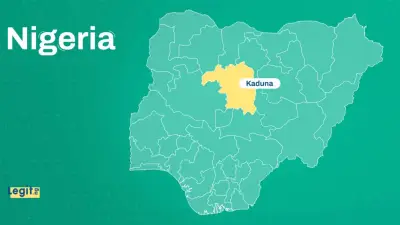
The talks centered on three priority areas: the safety of Christian communities in Nigeria's Middle Belt, efforts to hold perpetrators of violence accountable through stronger judicial and security institutions, and military-to-military cooperation between the two nations.
Progress and Persistent Challenges
Both sides reviewed Nigeria's advancements in resettling internally displaced persons (IDPs) to their home communities, prosecuting counterterrorism cases, and disrupting terrorist financing. The United States acknowledged reported steps forward, including the prosecution of hundreds of Boko Haram and Islamic State-West Africa (ISIS-WA) suspects, improvements to judicial capacity, and the recruitment and training of 50,000 additional police officers.
However, the JWG also identified areas where progress has been slow, particularly concerning reports of civilian deaths and a lack of transparency in the expenditure of humanitarian funds. Both sides agreed that significant work remains, especially regarding the welfare and return of displaced persons.
Pentagon Talks and Bilateral Priorities
Military-to-military discussions continued on August 13, 2026, at the Pentagon, underscoring the depth of security engagement. Separately, Hoker held a one-on-one meeting with Ribadu to address broader bilateral priorities, reaffirming the US commitment to supporting Nigeria in protecting Christian communities and deepening joint security cooperation.
Additional JWG topics included cooperation on countering terrorism financing, sharing biometric information to support accountability, and building law enforcement capacity through the US State Department's Bureau of International Narcotics and Law Enforcement Affairs and Bureau of Counterterrorism.
The meeting signals sustained bilateral engagement on security and religious freedom issues, with further discussions expected to continue in the coming months.