CAF's Dramatic Decision: Senegal Stripped of AFCON 2025 Title, Morocco Declared Champions
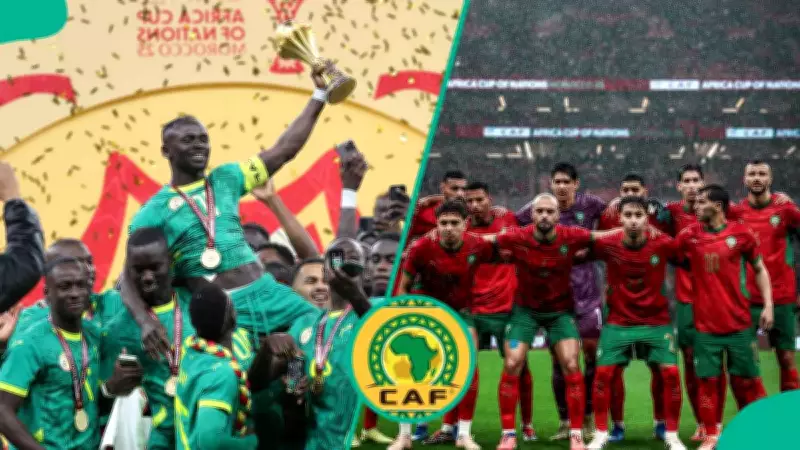
In a stunning and controversial move that has sent shockwaves through African football, the Confederation of African Football (CAF) has officially stripped Senegal of their 2025 Africa Cup of Nations championship title. The governing body has instead crowned Morocco as the new champions following a ruling that declared Senegal forfeited the final match.
The Controversial Ruling and Its Immediate Aftermath
The CAF Appeal Board made the dramatic announcement on Tuesday, March 17, 2026, overturning Senegal's victory just two months after the final match was played. According to the official ruling, Senegal was stripped of their title for walking off the pitch in protest after Morocco was awarded a late penalty during the championship match.
The official CAF statement declared that Senegal had "forfeited" the match, with the result being recorded as a 3-0 victory in favor of Morocco. This decision means Morocco now celebrates their second AFCON championship title, though under circumstances that have sparked widespread debate and criticism across the continent.
Public Outcry and Calls for Action
The announcement has triggered a wave of strong reactions from football fans, analysts, and public figures across Africa. Prominent Nigerian public commentator Japheth Joshua Omojuwa, 41, expressed shock at the decision and described it as a clear injustice against Senegal.
Omojuwa took to his verified X (formerly Twitter) account on Tuesday night to voice his concerns, writing: "Senegal should petition this to the highest levels. Let the odour of this mess extend as far as possible. This match was settled on the day. Senegal won. Morocco will never feel like they won this because they didn't."
His comments reflect the sentiment of many who believe the match outcome should have been determined on the field of play rather than through administrative rulings months after the final whistle.
Official Responses from Both Nations
The Royal Moroccan Football Federation has issued a formal response to CAF's decision to award them the AFCON 2025 title. In their statement, the federation emphasized that their appeal was never intended to question the sporting performance of either team but was focused solely on ensuring proper application of competition regulations.
The Moroccan statement read in part: "The federation stressed that its position was solely based on respecting the rules. Our approach has never been to question the sporting performance of the participating teams." They added that they "take note" of CAF's decision while maintaining their commitment to regulatory compliance.
Meanwhile, Senegalese football authorities have responded with outrage and determination to challenge the ruling. The Senegalese Football Federation has described CAF's decision as "unjust, unprecedented and unacceptable" and has announced plans to appeal to the Court of Arbitration for Sport (CAS).
The Path Forward: Legal Challenges and Football Implications
Senegal's decision to appeal to CAS represents a significant escalation in this football controversy. The Court of Arbitration for Sport, based in Lausanne, Switzerland, serves as the highest legal authority for international sports disputes and will now be tasked with reviewing CAF's controversial ruling.
This development raises several important questions for African football:
- How will this ruling affect future tournament regulations and disciplinary procedures?
- What precedent does this set for teams protesting referee decisions during crucial matches?
- How will this controversy impact the credibility and perception of CAF's governance?
The situation continues to evolve as both nations prepare for what could be a lengthy legal battle over the AFCON 2025 championship title. Football analysts across Africa are closely monitoring developments, with many expressing concern about the potential long-term implications for the continent's most prestigious football tournament.