DR Congo in Global Spotlight as FIFA 2026 World Cup Petition Favors Nigeria
The Democratic Republic of Congo (DRC) has been thrust into the international spotlight as a petition calling for its ban from the FIFA 2026 World Cup, in favor of Nigeria, gains significant momentum. This development comes amid growing global attention on the central African nation's complex socio-political landscape.
Understanding the Petition and Its Context
The petition, which has been circulating widely on social media and international platforms, advocates for DR Congo's exclusion from the upcoming FIFA World Cup tournament. Supporters argue that Nigeria should benefit from this potential ban, though specific reasons behind the petition remain under scrutiny. This controversy has reignited discussions about DR Congo's place in international sports and politics.
A Nation of Contrasts: Wealth and Poverty
DR Congo is a continent-sized nation covering over 2.34 million square kilometers, making it roughly equivalent to western Europe in size. It stands as Africa's second-largest country by area and fourth most populous, with approximately 100 million inhabitants. The nation boasts incredible mineral wealth, including substantial deposits of gold, diamonds, copper, cobalt, and coltan.
Despite this natural abundance, DR Congo faces severe economic challenges. Decades of conflict, corruption, and mismanagement have left most citizens in poverty, with the World Bank reporting that about two-thirds of the population survives on less than $2.15 per day. The country also possesses vast hydroelectric potential through the Congo River and 80 million hectares of arable land that remain underutilized.
Cultural Richness Amid Political Turbulence
The Democratic Republic of Congo is home to more than 250 ethnic groups speaking hundreds of languages, with French serving as the official language alongside Kikongo, Lingala, Tshiluba, and Swahili. Congolese culture has gained international recognition, particularly through music, with Congolese rumba being designated as UNESCO intangible cultural heritage in December 2021.
However, this cultural vibrancy exists alongside persistent political instability. The nation has endured violent political upheavals, including government overthrows in 1965 and 1997, and the assassinations of leaders Patrice Lumumba (1961) and Laurent-Désiré Kabila (2001). While the 2018 election that brought President Felix Tshisekedi to power marked the country's first peaceful transition, elections continue to be marred by disputes and violence.
Ongoing Conflict and Humanitarian Challenges
Eastern DR Congo remains plagued by armed violence despite stabilization in other regions. Two major wars between 1996 and 2003 devastated the country, drawing in nine African states and spawning numerous militia groups. The mineral-rich east continues to experience conflict that forces families to flee and leaves children vulnerable to exploitation and abuse.
Education represents another critical challenge, with reports indicating that 97% of 10-year-olds in DR Congo experience learning poverty, lacking basic reading and writing skills. Conflict and disasters have severely disrupted educational systems, leaving children at risk of exploitation, early marriage, and limited future job prospects.
Geographical and Political Distinctions
DR Congo shares borders with nine countries: Uganda, Rwanda, Burundi, Tanzania, South Sudan, Central African Republic, Republic of Congo, Angola, and Zambia. Its capital, Kinshasa, stands as one of Africa's largest cities and serves as a hub of political and cultural life.
It is important to distinguish DR Congo from its neighbor, the Republic of Congo. The two nations are separated by the Congo River and differ in colonial history, with DR Congo formerly under Belgian rule and the Republic of Congo under French control. This distinction often causes confusion in international discourse.
The Football Controversy Deepens
As the FIFA 2026 World Cup ban petition favoring Nigeria gains momentum, DR Congo has reportedly made strong allegations against the Nigeria Football Federation (NFF) ahead of FIFA's ruling. Nigeria secured a spot in the African play-offs after finishing second in CAF qualification Group C with 16 points, displacing Burkina Faso with 21 points.
The petition's supporters argue that DR Congo's inclusion in the tournament should be reconsidered, though specific allegations regarding player eligibility and other football-related matters remain unclear. This development has created tension between the two African football nations and raised questions about fair play in international sports.
Resilience and Humor in Daily Life
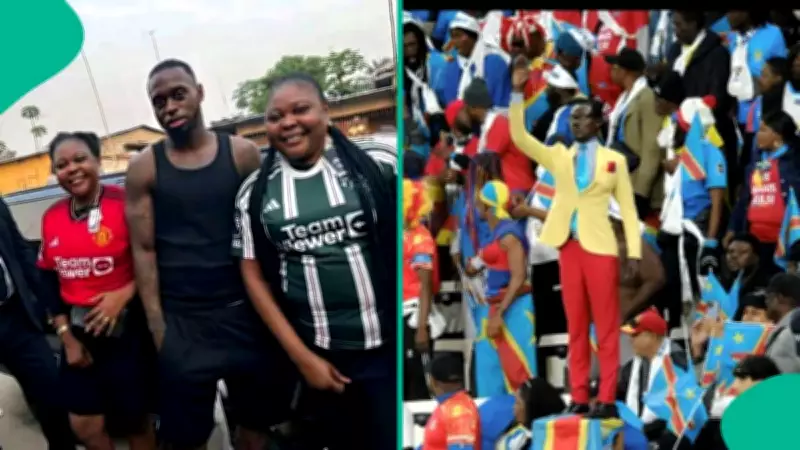
Despite these challenges, Congolese people are known for their remarkable resilience and humor. Many joke about "Article 15" of the constitution, which suggests citizens must sort things out themselves in the absence of effective government support. The country is also famous for its sapeurs—flamboyant dressers celebrated for their elegance and style, representing a form of cultural resistance and self-expression.
As the FIFA petition continues to gather signatures and international attention, the spotlight on DR Congo reveals both its vast potential and persistent struggles. The nation's rich cultural heritage, mineral wealth, and human resilience stand in stark contrast to the poverty, conflict, and political instability that continue to shape its international reputation and domestic reality.