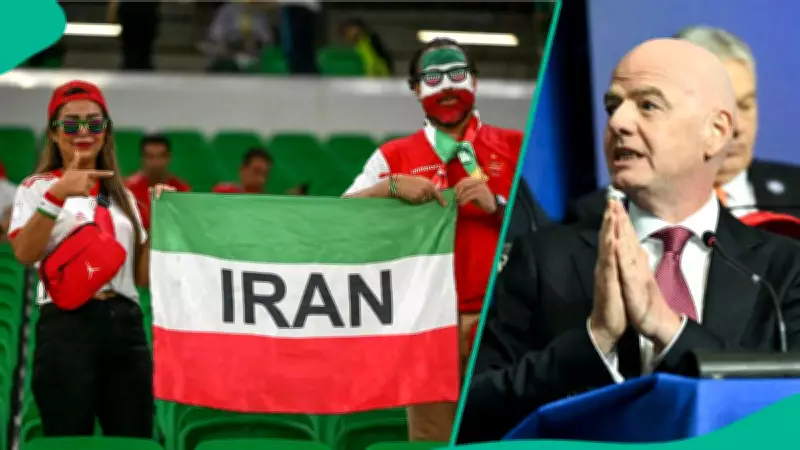
FIFA Stands Firm: Iran's World Cup Relocation Request Denied
In a significant development for global football, FIFA has reportedly rejected Iran's formal proposal to move its 2026 World Cup group matches away from the United States. This decision comes amidst escalating tensions and a regional war involving Iran, the United States, and Israel, which had prompted Iran to threaten a boycott of the prestigious tournament.
Iran's Proposal and FIFA's Unyielding Response
According to multiple reports, the Iranian Football Association, led by President Mehdi Taj, sought to have Iran's Group G matches relocated to Mexico through negotiations facilitated by the Mexican embassy. Iran had been drawn to face Belgium and New Zealand in Los Angeles, with a final group game against Egypt scheduled in Seattle. However, FIFA has remained steadfast, with a spokesperson stating, "FIFA is looking forward to all participating teams competing as per the match schedule announced on 6 December 2025." This firm stance underscores FIFA's commitment to maintaining the integrity of the tournament's planning, despite geopolitical pressures.
Background of the Conflict and Iran's Initial Threats
The request follows a joint military operation by the United States and Israel against Iran on February 28, 2026, which targeted government and military infrastructures and resulted in the elimination of Supreme Leader Ayatollah Ali Khamenei. In response, Iran initially threatened to withdraw from the World Cup, with Sports Minister Ahmad Donyamali confirming that Team Melli would not participate. This raised concerns about potential replacements, with Iraq and the United Arab Emirates emerging as likely candidates from Asia. However, Iran later shifted its stance, opting to negotiate for match relocation rather than outright withdrawal.
Reactions from Football Authorities
The Asian Football Confederation (AFC) has also weighed in on the situation. AFC General Secretary Windsor John dismissed earlier reports of Iran's withdrawal, emphasizing that any such decision must be formally communicated through the confederation to FIFA. He expressed hope that the involved parties could resolve their differences, highlighting the broader football community's desire for stability and participation in the World Cup.
Implications and Future Moves
With FIFA's rejection, the focus now shifts to Iran's next steps, just three months before the tournament kicks off. The decision adds another layer of complexity to the ongoing saga, as Iran must decide whether to comply with the original schedule or pursue further actions. This episode underscores the challenges of hosting major sporting events in a politically charged environment, balancing athletic competition with international diplomacy.
As the 2026 World Cup approaches, all eyes will be on how Iran navigates this situation, with FIFA maintaining its position to ensure all teams adhere to the pre-announced match schedule for the tournament hosted primarily in the United States, Canada, and Mexico.