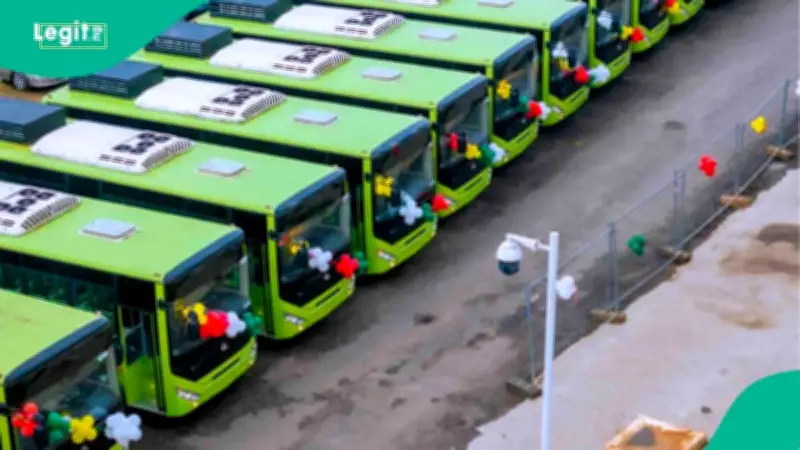
Kwara, Ekiti, Plateau, and Enugu have introduced or expanded government-backed compressed natural gas (CNG) bus services to ease commuting costs, while Lagos has received 20 additional high-capacity CNG buses but has yet to announce new fares or routes, according to a Legit.ng report. The rollout follows President Bola Tinubu's directive that Nigerians should experience measurable reductions in transportation costs from October 1.
Plateau Offers ₦200 Rides as Kwara Expands Services
In Plateau State, the government is relying on its Tin City Metro Bus scheme while preparing for wider CNG adoption. Transport Commissioner Davou Gyang Jatau said passengers pay ₦200 for the approximately 23-kilometre journey between Anguldi and Farin Gada, with a return trip costing ₦400. The state has signed an agreement with the National Institute for Transport Technology, Zaria, to establish a vehicle conversion centre in Jos, but insufficient CNG refuelling infrastructure remains a major hurdle, ThisDay reported.
In Kwara, Transport Commissioner Aliyu Sabi said 20 federally supplied CNG buses had begun operating on routes including Ilorin–Abuja, Ilorin–Lagos, and Ilorin–Enugu. The state expects another 10 buses to support transport services for workers, students, and other residents.
Ekiti Deploys Buses, Enugu Cuts Selected Fares
Ekiti State has rolled out 15 CNG buses donated by the federal government, with Governor Biodun Oyebanji promising to expand the fleet and reduce residents' transport burden. The Ekiti State Transportation Agency said routes had been mapped out from Ado Ekiti to Lagos, Ibadan, Onitsha, and Abuja.
In Enugu, fares on routes served by government-owned CNG buses have reportedly fallen by more than 50%. However, commercial operators have retained their charges. Ralph Edeh, spokesperson for the state chapter of the Road Transport Employers Association of Nigeria, said expensive fuel, spare parts, and maintenance made fare reductions difficult for private operators. The contrast means commuters' savings depend heavily on whether subsidised buses serve their routes.
Lagos Receives More Buses, Awaits New Fare Announcement
Lagos recently received 20 additional high-capacity CNG buses, taking its regulated CNG fleet to about 170, according to Lagos Metropolitan Area Transport Authority Managing Director Abimbola Akinajo. The vehicles are expected to strengthen services on corridors with capacity gaps, including Ikorodu–Tafawa Balewa Square. However, the state has not announced a new fare structure, commencement date, or designated routes for the latest fare-reduction programme. For passengers, the immediate question is whether the expanded fleet will translate into lower daily commuting bills.
High Costs Keep Other Commuters Waiting
Elsewhere, transporters say cheaper fares remain difficult to deliver. In Ogun, an operator put the Abeokuta–Lagos fare at ₦6,000, and vehicle conversion costs at about ₦1.3 million. Benue Links has introduced a marginal fare increase, citing rising expenses. The presidential CNG initiative says more than 120,000 vehicles have been converted and over 90 refuelling stations established nationwide. It also clarified that October 1 marked the start of rollout monitoring, rather than simultaneous fare cuts everywhere.
Legit.ng earlier reported that commuters in Kaduna, Oyo, Enugu, Lagos, and the Federal Capital Territory are still waiting for cheaper journeys after the October 1 target for transport fare reductions passed without noticeable relief on surveyed routes. Passengers interviewed by The Guardian on October 2 said they continued to pay existing fares, while operators blamed expensive fuel and the lack of interventions that could lower their costs. For commuters still paying unchanged fares, relief will depend on wider bus coverage, reliable refuelling infrastructure, and affordable operating costs.