Morocco Faces Global Scrutiny Over Alleged Stray Dog Culling Ahead of 2030 World Cup
Reports emerging from Morocco have ignited international controversy, with animal welfare organizations accusing the North African nation of conducting a widespread and brutal cull of stray dogs as part of a cleanup effort in preparation for co-hosting the 2030 FIFA World Cup. The allegations suggest that this campaign aims to present Moroccan cities as cleaner, safer, and more appealing to the influx of international visitors, media, and football fans expected for the global sporting event.
Details of the Alleged Culling Operations
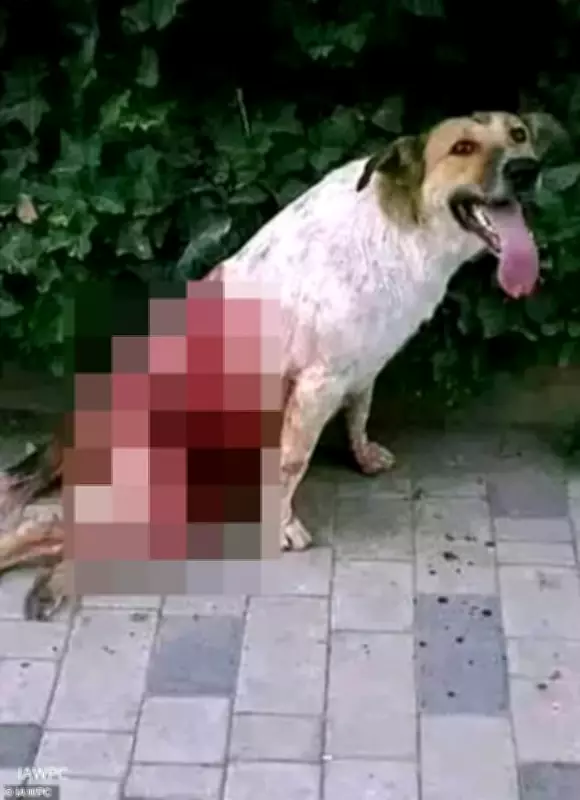
Activists have provided disturbing accounts and photographic evidence indicating that Moroccan authorities are employing severe methods to manage the estimated three million stray dogs living on the country's streets. These methods reportedly include capturing dogs by clamping their necks, transporting them in trucks to processing facilities, and then poisoning or shooting them before disposing of the bodies in mass graves. A particularly alarming report from last month described Marrakech, a city slated to host World Cup matches, as functioning like a "kill center," where dogs are taken in white vans to warehouses equipped with meat hooks and washable flooring for processing.
Witnesses in other potential host cities have further alleged that dogs are being starved for several days before being burned alive at rubbish depots. The International Animal Welfare and Protection Coalition (IAWPC) has highlighted that Morocco has a historical pattern of conducting large-scale animal killings prior to major international events, arguing that while organizations like FIFA do not directly order such actions, their selection of host countries effectively enables these practices.
International Responses and Denials
The IAWPC has submitted a comprehensive 91-page dossier to FIFA, documenting instances of poisonings, forced starvation, and shootings of dogs. In a statement, the coalition expressed grave concerns, noting, "After the World Cup confirmation, the extermination of the dogs has increased dramatically. As a result, the fear is that Morocco will now go ahead with their plan for the mass slaughter of three million dogs." Despite this evidence, questions persist regarding how seriously these allegations are being addressed by both Moroccan authorities and international bodies.
In response, a FIFA spokesperson informed the Daily Mail that during its bid for the 2030 World Cup, Morocco emphasized its commitment to animal welfare, pointing to government efforts to expand veterinary clinics and support programs for stray dogs. The spokesperson added, "With the bidding process now completed, FIFA is following up with its local counterparts with the aim of ensuring commitments are upheld." FIFA also stated that it is collaborating with the IAWPC, which has convened a global panel of legal and animal welfare experts to review Morocco's draft regulations; their recommendations have been submitted to Moroccan authorities for consideration.
Morocco's Embassy in London has firmly denied all claims of a stray dog cull, asserting that there is no such campaign underway. The embassy cited the country's dedication to humane and sustainable animal management practices, reinforcing its commitment to ethical standards as it prepares for the World Cup.