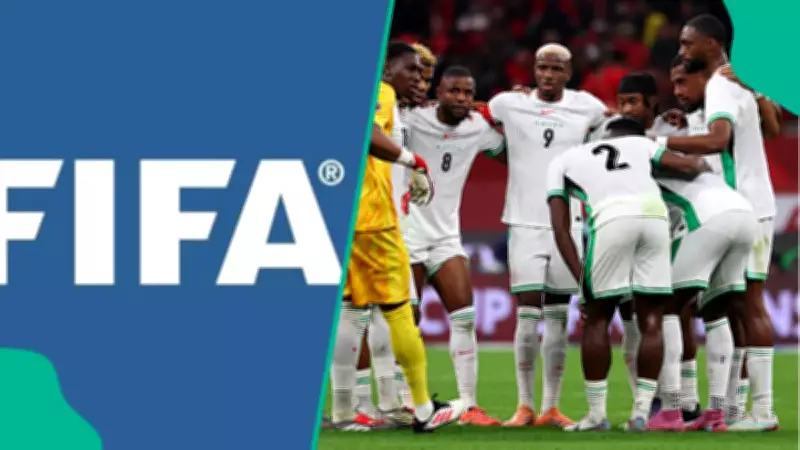
Nigeria's 2026 World Cup Hopes: 5 Major Gains if FIFA Overturns DR Congo Result
Published on February 14, 2026, by Chukwu Ikechukwu, a seasoned sports journalist with over a decade of experience covering events like AFCON and World Cup qualifiers. All eyes are on FIFA as it prepares to rule on Nigeria's petition regarding its disputed World Cup playoff defeat against DR Congo. This decision could dramatically alter the Super Eagles' path to the 2026 FIFA World Cup, offering significant benefits beyond the pitch.
1. A Second Chance at World Cup Qualification
The most immediate benefit of a favourable ruling is sporting redemption. Nigeria's World Cup campaign stalled after a penalty shootout defeat to DR Congo in the final African playoff, but if FIFA sides with the Nigeria Football Federation (NFF), it would revive the Super Eagles' hopes. Instead of watching from the sidelines, Nigeria would be thrust back into the qualification race, with the possibility of advancing to the intercontinental playoff, as reported by BBC Sports.
2. Financial and Commercial Opportunities
World Cup participation brings substantial financial rewards, including qualification bonuses, sponsorship deals, and increased broadcasting revenues. A favourable ruling could reopen these opportunities for Nigeria, benefiting not only the national team but also the football federation and local football ecosystem. Increased funds could be reinvested in youth development, grassroots football, and infrastructure projects, strengthening Nigerian football long after 2026.
3. Strengthening Nigeria's Reputation in World Football
A successful petition would demonstrate that Nigeria can stand its ground in complex international disputes. It would show that the NFF is willing to use official channels to protect its interests and ensure fair competition. Over time, this could enhance Nigeria's reputation as a serious and organised football nation, one that understands FIFA regulations and is prepared to challenge perceived injustices, following Nigeria's failure to qualify for the 2022 World Cup in Qatar.
4. Encouragement for Fair Play and Rule Enforcement
Beyond Nigeria, a favourable ruling would underline the importance of player eligibility rules. It would send a message across Africa and the wider football world that nationality switches and documentation must strictly follow regulations. This could discourage future breaches and encourage federations to be more diligent, helping to protect the integrity of international competitions.
5. Long-Term Impact on Nigerian Football Development
If Nigeria returns to the qualification pathway, the long-term benefits extend beyond one tournament. Young players would see the Super Eagles' resilience as proof that persistence pays off. Coaches and administrators could use this episode as a lesson in professionalism and preparedness. Over time, this could nurture a culture of accountability and ambition within Nigerian football, fostering growth and stability in the sport.
The NFF has provided updates on its ongoing petition against DR Congo, highlighting the high stakes involved. As FIFA's verdict approaches, the potential gains for Nigeria are clear, offering a chance to reshape the future of football in the country.