Premier League Referee Michael Oliver Details Match Appointment Restrictions
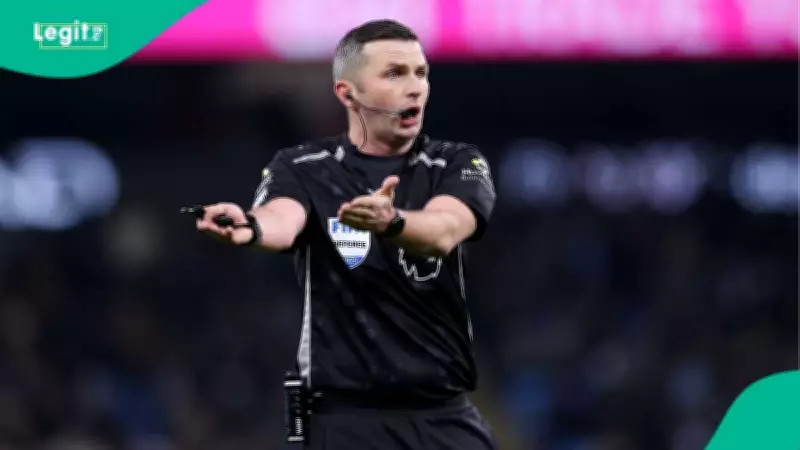
English Premier League referee Michael Oliver has provided detailed explanations regarding the specific teams he is prohibited from officiating in top-flight football matches. This clarification comes after Oliver recently handled the high-profile encounter between Manchester United and Tottenham Hotspur at Old Trafford.
Recent Match Performance and Career Background
The 40-year-old official oversaw Manchester United's convincing 2-0 victory over Tottenham on Saturday, February 7, 2026. The Red Devils secured their win through goals from Bryan Mbueumo and Bruno Fernandes, while Oliver demonstrated his authority by issuing a red card to Tottenham captain Cristian Romero in the 29th minute following a serious foul on Brazilian midfielder Casemiro.
With over 400 top-flight games to his credit, Michael Oliver stands among England's most experienced and respected match officials. His credentials include FIFA badging and participation in numerous prestigious tournaments, including the FIFA World Cup, placing him alongside colleagues like Anthony Taylor as one of the Premier League's elite referees.
Strict Adherence to Premier League Appointment Protocols
Five years ago, Oliver explained the meticulous process behind Premier League match appointments, emphasizing strict compliance with established rules and regulations. The system requires referees to declare any club allegiances or family connections that might create potential conflicts of interest.
"I never referee Newcastle games," Oliver stated. "We have to declare if we have an allegiance to any club or if a family member works at a club. You can't do any match involving that team, and I can't do Sunderland, either, for obvious reasons."
The Ashington-born referee grew up supporting Newcastle United, making him automatically ineligible for matches involving the Magpies. This restriction extends to Newcastle's rivals Sunderland, who have gained promotion to the Premier League this season, creating additional scheduling considerations for Oliver's appointments.
Practical Implications During Critical League Periods
Oliver elaborated on how these restrictions affect his availability during crucial phases of the Premier League season, particularly when Newcastle United faces relegation battles. "Because Newcastle are invariably involved in a relegation battle, when you get to March or April, it means I can't referee anyone around them towards the bottom three," he explained.
The referee provided a specific example: "If Newcastle needed a point to survive and the team they were fighting to get above was say Villa, I couldn't referee Villa's game either. I wouldn't want to. It's not worth the hassle."
Nigerian Referee Perspective on Officiating Ethics
Nigeria's grade 1 referee Eyere Ekuta has offered professional insight into Oliver's situation, emphasizing the importance of maintaining officiating integrity. The national women's grade 1 referee explained that potential conflicts of interest make it ethically problematic for officials to handle matches involving clubs to which they have historical allegiances.
"It is against the ethics of officiating to handle a club you've previously sworn allegiance to," Ekuta stated in exclusive comments. "You'll have no choice but to favour the club in one way or the other."
Ekuta's perspective highlights universal officiating principles that transcend geographical boundaries, reinforcing why Premier League protocols strictly enforce such restrictions to maintain match integrity and public confidence in officiating decisions.
Referee's Personal Football Background
Interestingly, Oliver revealed that his transition to refereeing came after recognizing limitations in his playing career. "I had a bit of talent but didn't like putting the hard work in as a player," he admitted, providing context for his journey into officiating where he has since established himself as one of English football's most reliable arbiters.
This professional approach, combined with strict adherence to conflict-of-interest protocols, continues to define Oliver's respected career in Premier League football officiating.