Senegal's AFCON 2025 Title Loss Sparks Major Sanction Threats
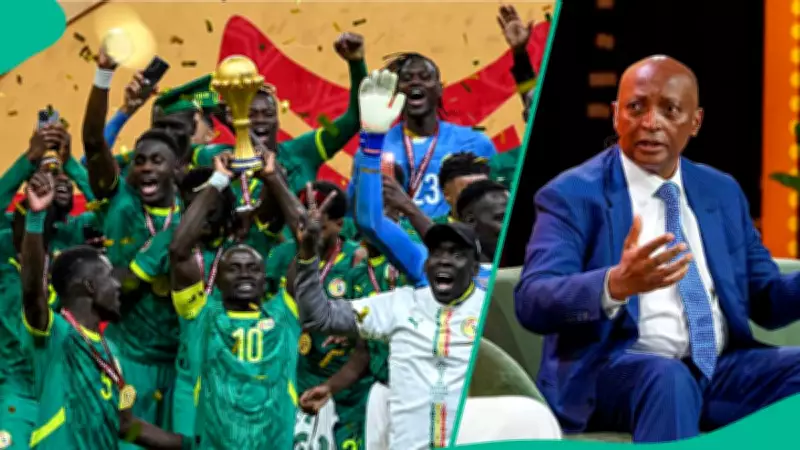
The Confederation of African Football (CAF) has officially stripped Senegal of the 2025 Africa Cup of Nations title, awarding it to Morocco after a contentious final. This decision, confirmed on Tuesday, March 17, 2026, follows Senegal's protest over a late refereeing call during the match, which CAF ruled as a violation of its regulations. As a result, the game was recorded as a 3-0 forfeit win for Morocco, ending Senegal's initial celebration of victory.
Senegal's Legal Battle and Potential Consequences
Senegal's football authorities have refused to accept the verdict quietly and plan to appeal to the Court of Arbitration for Sport (CAS). However, if they decline to comply with CAF's ruling and return the trophy and medals, they could face severe repercussions. The fallout has escalated beyond sports, with Senegal's government calling for an independent international investigation into suspected corruption within CAF.
Five Major Sanctions Senegal Could Encounter
1. Financial Penalties as an Initial Step
Under Article 153 of CAF's Disciplinary Code, failure to comply with an official ruling can trigger immediate sanctions. CAF is likely to impose financial penalties on the Senegalese Football Federation first. These fines are not merely symbolic; they are designed to enforce compliance and could increase significantly if Senegal resists, based on historical precedents where CAF used escalating fines to pressure federations.
2. Risk of Suspension from CAF Competitions
Beyond fines, the stakes could rise dramatically. CAF has the authority to suspend Senegal from its competitions if the federation refuses to comply. This would mean the national team could be barred from participating in AFCON qualifiers, while Senegalese clubs could be excluded from prestigious tournaments like the CAF Champions League. Although such measures are rare, CAF has enforced suspensions in extreme cases to maintain order and credibility within African football.
3. Possible FIFA Intervention Escalating the Crisis
The situation could escalate beyond Africa if Senegal continues to resist. FIFA, the global governing body of football, has the authority to intervene when member associations fail to respect decisions made by their continental confederations. Under Articles 13 and 14 of the FIFA Statutes, non-compliance could lead to severe sanctions, including international suspension. This would prevent Senegal from participating in global competitions such as the FIFA World Cup and international friendlies, potentially isolating the country from the global football community and damaging its reputation.
4. CAS Appeal Could Delay Enforcement of Sanctions
Despite the looming consequences, Senegal is not without options. The federation can take the matter to the Court of Arbitration for Sport, which serves as the highest authority in sports disputes. If an appeal is filed, CAF may temporarily hold off on enforcing certain sanctions until a final verdict is reached. This legal route is often preferred for challenging controversial decisions without facing immediate penalties, but the outcome is uncertain and could prolong the controversy.
5. Trophy Possession Versus Official Recognition
An important distinction in this saga is that physical possession of the trophy does not determine the official winner. Even if Senegal chooses to keep the trophy temporarily, CAF's ruling ensures that Morocco remains the recognized 2025 AFCON champion in official records. Historical documentation, statistics, and future references will all credit Morocco as the winners, meaning holding onto the trophy would be symbolic rather than meaningful in the eyes of governing bodies.
CAF's Response and Broader Implications
CAF President Patrice Motsepe has emphasized that Senegal has every right to challenge the decision through proper legal channels, while also defending the ruling that awarded Morocco the victory. For Morocco, this ruling ends a 49-year wait for their second AFCON title, but not without lingering controversy. The dispute highlights ongoing tensions in African football governance and the potential for significant sanctions against non-compliant nations.