The National Sports Commission (NSC) is facing intense scrutiny following Nigeria's unsuccessful bid to host the 2031 African Games. Stakeholders are demanding answers after the country lost to Uganda, with many questioning the quality of the bid documents and the timing of the alleged withdrawal.
Bid Documents Under Scrutiny
Critics have pointed out that Nigeria hastily reused documents originally prepared for the 2030 Commonwealth Games bid without correcting basic errors. One anonymous stakeholder told The Guardian that the bid process is overseen by the African Union (AU), not the Association of National Olympic Committees of Africa (ANOCA), contradicting NSC claims that ANOCA's rotational policy led to the withdrawal.
Timeline of Events
Uganda won the initial bidding round in March or April, with ratification by African Sports Ministers on June 2, 2026. Nigeria welcomed the bid committee's inspection team in March, giving assurances of victory. However, the AU's rotational framework was only agreed upon in December 2025, with implementation starting from the 2035 Games, not 2031.
Former Minister Weighs In
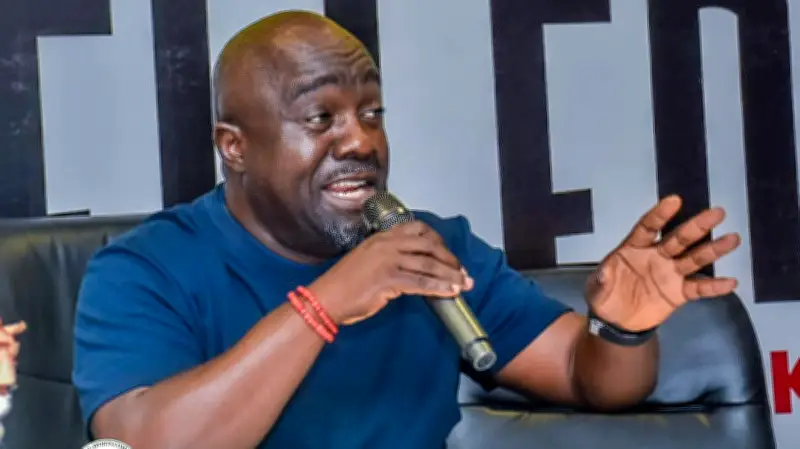
Former Sports Minister Solomon Dalung described the outcome as unfortunate, stating that Nigeria's poor preparation led to the loss, not any rotation policy. He criticized the NSC's competence, noting that since its reestablishment, Nigeria's sports performance has declined. Dalung emphasized that a ministry would have reviewed the bid pitch, preventing such embarrassment.
NSC's Defense
In response, Ahmad Kawu, director of protocol to the NSC Chairman, defended the bid committee, led by veteran Mainasara Iloh. He argued that bidding involves winning or losing based on the bid body's checklist and sentiments, and that committee members invested significant time and effort.
Despite these defenses, stakeholders remain unconvinced, calling for accountability to restore Nigeria's credibility in international sports hosting.