
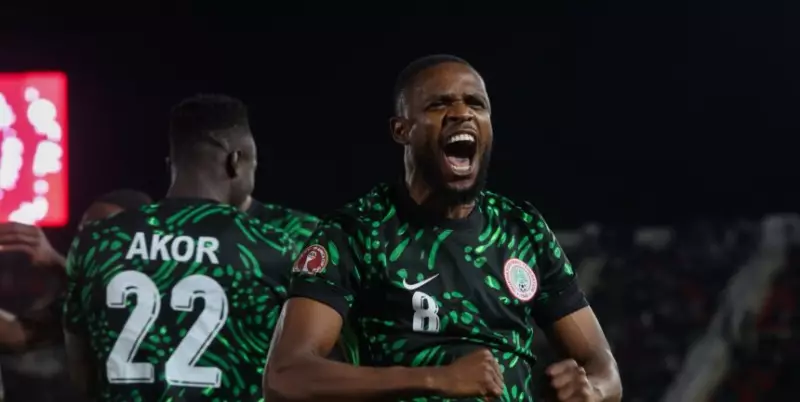
As the 2025 Africa Cup of Nations (AFCON) unfolds spectacularly in Morocco, a pressing question demands an answer from Nigeria's corridors of power: Are our leaders paying attention? The tournament, hosted by the North African kingdom, is far more than a football festival; it is a masterclass in using sports as a strategic tool for national development, economic growth, and geopolitical influence—a lesson Nigeria desperately needs to learn.
Beyond the Pitch: The Economic and Strategic Windfall of AFCON 2025
For Morocco, AFCON 2025 is the profitable culmination of decades of deliberate planning and heavy investment. Reports from Moroccan media indicate the tournament is acting as a powerful economic engine, with projected benefits reaching a staggering 12 billion dirhams (approximately $1.2 billion). This boom is driven by an influx of between 600,000 and one million visitors, creating unprecedented demand across hospitality, transport, and local businesses.
The foundations for this success were laid years in advance. Morocco's years of steady investment in stadium upgrades, transport networks like the Al Boraq high-speed train, and urban facilities are now bearing fruit. National carrier Royal Air Maroc is projected to transport at least 500,000 supporters1.5 billion dirhams in additional revenue. Furthermore, the event has created thousands of jobs in security, logistics, and hospitality, while fan zones foster national unity.
Omar Khyari, an adviser to the Royal Moroccan Football Federation president, underscores that this readiness is "vision-driven" rather than event-driven. "The Kingdom has been investing in modern stadiums and urban infrastructure for many years, not because of the AFCON, but as part of a broader national development strategy," he stated. This forward-thinking approach is supported by the long-term vision of King Mohammed VI.
Setting a New Continental Standard: Records and Global Recognition
The 2025 AFCON is breaking records, redefining what is possible for African sporting events. The data paints a picture of unprecedented scale and professionalism:
- Total Projected Revenue: $192.6 million.
- Sponsorship: $126.16 million, more than double the figure from AFCON 2021.
- Prize Money: A total fund of $32 million, with the winner taking $10 million—a 100% increase from 2021.
- Broadcast Reach: All 52 matches are being broadcast in 4K HDR, with the opening match shown in over 180 territories.
This operational excellence has led the Confederation of African Football (CAF) Secretary General to hail it as the "best ever" tournament. The event serves as a crucial soft power tool, strengthening Morocco's credibility as it prepares to co-host the 2030 FIFA World Cup with Spain and Portugal. Analysts like Farah Ben Gamra note that Morocco is leveraging the tournament to position itself as a bridge between Africa and the world, boosting its geopolitical standing.
A Sobering Mirror for Nigeria: From World Cup Disgrace to AFCON Inspiration
The contrast with Nigeria's situation could not be more stark or more painful. While Morocco showcases organisational maturity, Nigeria's sports administration is plagued by poor infrastructure and wobbly leadership. The country's failure to qualify for the 2026 FIFA World Cup in the United States stands as a national reproach, coinciding with Morocco's seamless execution of AFCON and its perfect World Cup qualifying campaign.
The core lesson for Nigerian leaders is clear: development through sports requires a long-term, strategic vision that transcends political cycles and frivolous pursuits. Other nations, including Canada, have formal programmes requiring detailed legacy plans to ensure hosting events delivers tangible, long-term benefits. Morocco's strategy is not about outshining the continent but elevating it, providing a clear benchmark for operational excellence.
As global stars like Kylian Mbappé visit Marrakech to enjoy the world-class security and facilities, Nigerian officials managing the Super Eagles in Morocco and those watching from home must take note. The question is not whether Nigeria has the talent or potential—it undoubtedly does. The question is whether its leaders possess the fidelity, vision, and political will to freeze politics and emulate a model that transforms sports into a continuous engine for growth, diplomacy, and national pride.
Morocco has shown that with consistent investment and strategic execution, African nations can lead on the global stage. The hope now is that Nigeria's sports and political leaders will return from AFCON 2025 with more than just souvenirs—they must return with a renewed commitment to a vision-driven future for Nigerian sports and national development.