
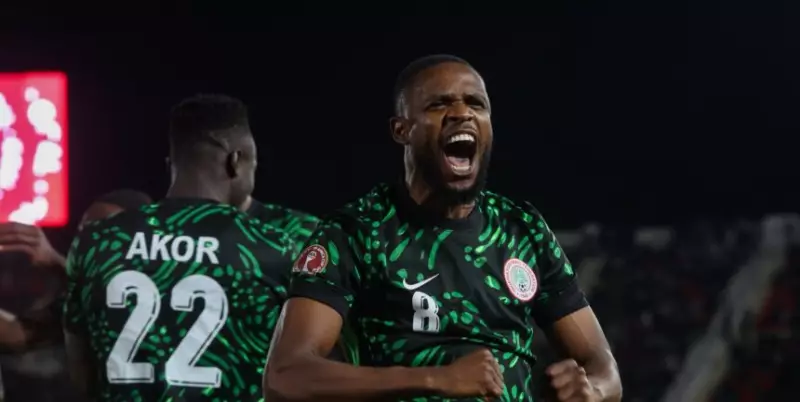
As the 2025 Africa Cup of Nations (AFCON) unfolds spectacularly in Morocco, a pressing question echoes across Nigeria: are the nation's duty bearers paying attention? The tournament is far more than a football festival; it is a powerful demonstration of how strategic vision, sustained investment, and sports diplomacy can propel a nation forward. For Nigeria, struggling with poor sports infrastructure and failing to qualify for the 2026 FIFA World Cup, Morocco's success offers a critical blueprint it can no longer afford to ignore.
Beyond the Pitch: AFCON 2025 as an Economic Powerhouse
The economic impact of the tournament in Morocco is staggering. Reports from Moroccan media project benefits reaching 12 billion dirhams (approximately $1.2 billion). This windfall is driven by an influx of between 600,000 and one million visitors, creating unprecedented demand across hospitality, transport, and local businesses.
This economic boom is not accidental. It is the direct result of years of deliberate investment in stadiums, transport networks like the Al Boraq high-speed train, and urban facilities. Omar Khyari, an adviser to the Royal Moroccan Football Federation president, emphasises that this was part of a broader national strategy, not a one-off project. "The country did not wait for AFCON or the World Cup to transform itself," he stated.
The logistics are equally impressive. The national carrier, Royal Air Maroc, is transporting at least 500,000 supporters, generating an estimated 1.5 billion dirhams. The event has also created thousands of jobs in security, logistics, and media, while fan zones foster national unity.
A Template for Soft Power and Global Credibility
Morocco is leveraging AFCON 2025 as a sophisticated soft power tool. By delivering a secure, world-class event under global scrutiny, the kingdom strengthens its credibility ahead of co-hosting the 2030 FIFA World Cup with Spain and Portugal. Sport analyst Farah Ben Gamra notes that this approach is about building reliability and lasting influence.
The tournament is breaking records, setting a new continental standard:
- Total Projected Revenue: $192.6 million.
- Sponsorship: $126.16 million, more than double the 2021 edition.
- Prize Money: A 43% increase, with the winner receiving $10 million.
- Broadcast Reach: The opening match was shown in over 180 territories, with all 52 matches free-to-air in the UK.
This operational excellence, hailed by CAF's Secretary General as the "best ever," positions Morocco as a bridge between Africa and the world and a potential future host for the Olympic Games on the continent.
The Stark Contrast: Nigeria's Missed Opportunities and Leadership Failure
While Morocco ascends, Nigeria's situation presents a sobering contrast. The nation failed to qualify for the 2026 World Cup, a direct reproach to its sports administration and infrastructure decay. The article recalls a previous piece questioning Nigeria's direction as Morocco and Saudi Arabia secured World Cup hosting rights.
The core lesson for Nigeria is about vision-driven governance versus short-term politics. Morocco's success is anchored in the long-term vision of King Mohammed VI and executed through consistent policy. Nigeria's leaders, however, remain "obsessed with politics," which drains energy from fundamental state objectives like strategic development.
The presence of global stars like Kylian Mbappé in Marrakech to watch AFCON matches underscores the appeal Morocco has built through security and top-tier facilities—the same facilities used by clubs like Real Madrid for training.
The call is clear: Nigerian football officials and political leaders must look to the hills of Morocco. They must see how sports can be an engine for growth, diplomacy, and national pride. Morocco is not just hosting a tournament; it is elevating Africa's global standing. Nigeria, with its vast potential, must learn from this fidelity in administration and long-term planning or risk being left behind as a supporting cast in Africa's emerging story.