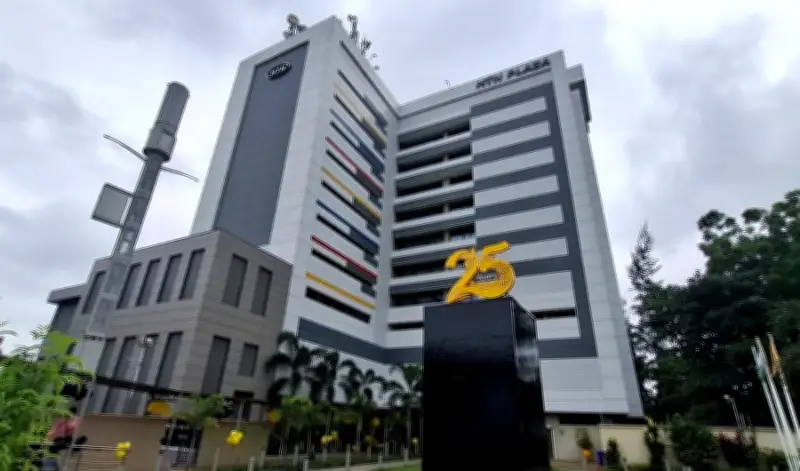
The past 25 years have seen a profound transformation in how Nigerians conduct business, driven by the evolution of internet connectivity. From the era of dial-up connections to the current age of 5G and fiber optics, technology has reshaped commerce, banking, and communication, positioning Nigeria as a leading digital economy in Africa.
The Dial-Up Era and Early Internet Adoption
In the late 1990s, internet access was a luxury, with dial-up connections offering speeds as low as 56 kbps. Businesses relied on cybercafés and expensive leased lines. The liberalization of the telecommunications sector in 2001, with the issuance of GSM licenses, marked a turning point. Mobile phones became tools for voice and SMS, but internet connectivity remained limited.
According to the Nigerian Communications Commission (NCC), internet penetration grew from less than 1% in 2000 to over 50% by 2020, a testament to the rapid adoption of mobile and broadband technologies.
The Rise of Mobile Money and E-Commerce
The introduction of mobile money services, such as Paga in 2009 and later OPay and PalmPay, revolutionized financial transactions. By 2023, fintech startups had attracted over $1.2 billion in funding, making Nigeria Africa's largest fintech market. E-commerce platforms like Jumia and Konga emerged, enabling businesses to reach customers nationwide, even in remote areas.
"The internet has leveled the playing field for small businesses," said Tunde Kehinde, co-founder of Lidya, a fintech company. "A trader in Lagos can now sell to customers in Kano or even abroad, thanks to digital payment systems and online marketplaces."
Impact on Traditional Industries
Connectivity has also disrupted traditional sectors. The entertainment industry, particularly Nollywood, has embraced digital distribution, with streaming platforms like Netflix and Showmax offering Nigerian content globally. In agriculture, platforms like Farmcrowdy connect farmers to investors, improving access to capital and markets.
However, the digital divide remains a challenge. According to the International Telecommunication Union (ITU), only about 55% of Nigerians have access to the internet, with rural areas lagging behind. This disparity hampers inclusive growth, as many small businesses in rural regions still rely on offline methods.
Future Prospects: 5G and Beyond
The deployment of 5G networks, which began in 2022, promises even faster speeds and lower latency, enabling innovations like the Internet of Things (IoT) and artificial intelligence. The NCC has licensed three operators to roll out 5G services, aiming to cover major cities by 2025. This could further boost sectors like logistics, healthcare, and education.
As Nigeria celebrates 25 years of connectivity, the focus is on bridging the digital gap and ensuring that technology continues to drive economic growth. The next decade will likely see increased adoption of cloud computing, blockchain, and remote work, cementing Nigeria's position as a tech hub in Africa.