Older iPhone Models Face Major Resale Value Crash in 2026, Experts Warn
Fresh market data indicates that numerous older iPhone models could experience a substantial plunge in their resale value during 2026, as buyers increasingly prioritize newer features, extended software support, and enhanced battery performance. With smartphone technology advancing rapidly, devices that once held premium prices are now struggling to maintain appeal in the second-hand market.
Analysts highlight that models no longer receiving major software updates, security patches, or hardware improvements are losing traction among consumers seeking future-proof devices. Consequently, certain iPhones are anticipated to attract minimal demand next year, especially as Apple continues to introduce more advanced iterations.
Full List of iPhones Expected to Have Low Resale Value
Based on depreciation trends, software support cycles, and evolving consumer preferences, the following models are projected to record very low resale prices in 2026:

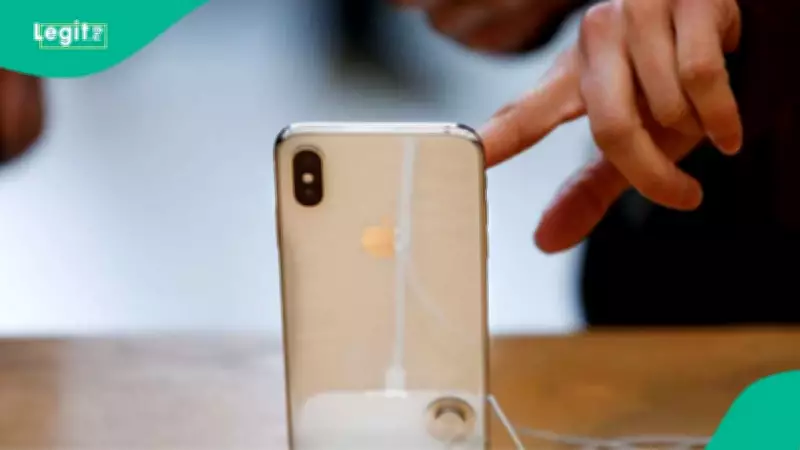
- iPhone XS
- iPhone XS Max
- iPhone 11 Pro
- iPhone 12 Mini
- iPhone 14 Plus
- iPhone LLA Physical SIM model
Industry observers note that while some of these devices remain functional, resale pricing heavily depends on buyer perception, longevity, and support status.
Why These Models Are Losing Value
Several key factors are driving the projected decline in resale value for these iPhone models.
1. Software Support Cuts
When Apple phases out major iOS updates for older devices, demand often drops swiftly. Buyers typically avoid phones that no longer receive the latest operating system or security patches, viewing them as outdated or potentially vulnerable to security risks.
2. Hardware Limitations
Older processors, smaller batteries, and dated camera systems make earlier models less attractive compared to newer alternatives. Features such as improved night photography, advanced chip performance, and enhanced battery efficiency have become standard expectations among consumers.
For instance, upgrading from the iPhone 14 Plus to the iPhone 15 often comes at a relatively manageable price difference in the used market, reducing demand for older stock.
3. Design and Form Factor Shifts
Models like the iPhone 12 Mini, despite having a loyal user base, suffered from lower overall market demand due to their smaller size and battery capacity. Devices with discontinued form factors often struggle to maintain strong resale performance over time.
4. Network and Regional Variants
Certain region-specific versions, including physical SIM-focused variants, may face reduced demand in markets where eSIM adoption is growing, further impacting their resale appeal.
What iPhone Owners Should Do
Experts advise users considering an upgrade in 2026 to sell their devices sooner rather than later. Smartphones tend to depreciate most sharply once they lose major software support, making early action crucial.
Trade-in programs from Apple and major retailers may also offer better value than waiting until resale prices collapse in open marketplaces. For current owners of models like the iPhone XS or iPhone 11 Pro, acting early could mean the difference between securing moderate resale value and struggling to find buyers at all.
As consumer expectations continue to shift toward 5G performance, stronger batteries, and longer software lifespans, the second-hand market is becoming less forgiving to ageing devices. In 2026, only iPhones that remain technically relevant and fully supported are likely to command meaningful resale prices.