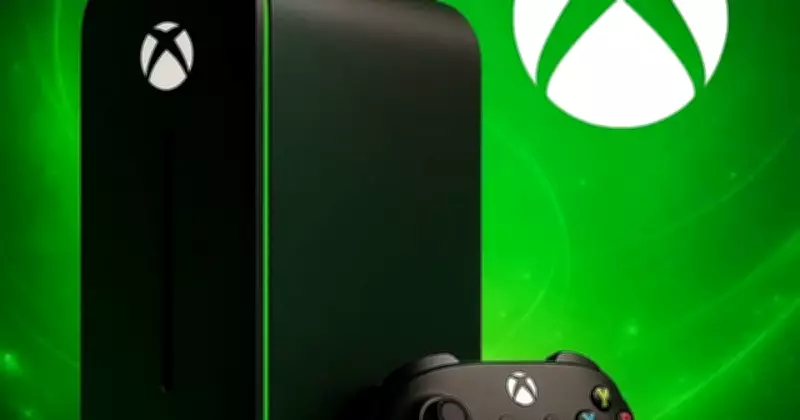
Microsoft Unveils Comprehensive Xbox Strategy for 2026
Microsoft has disclosed preliminary details regarding its Xbox roadmap for the year 2026, offering insights into the company's strategic direction for hardware, cloud gaming, and artificial intelligence features. Through internal planning documents and external reporting, the tech giant has outlined plans to strengthen its gaming ecosystem, attract a broader player base, and prepare for future console generations.
Why 2026 Marks a Pivotal Year for Xbox
The year 2026 holds special significance for Xbox as it commemorates the brand's 25th anniversary. Beyond this milestone, the timing is crucial for Microsoft as Xbox hardware sales face competitive pressures, particularly from PlayStation. Microsoft is repositioning Xbox beyond traditional consoles, emphasizing games, services, subscriptions, and cross-device accessibility. The 2026 roadmap clearly reflects this strategic shift towards a more integrated and service-oriented approach.
Major Game Releases Planned for 2026
One of the standout elements of the roadmap is the emphasis on high-profile game releases. Microsoft is scheduling several major titles throughout the year to maintain player engagement and drive interest in the Xbox ecosystem. Key anticipated releases include:
- Forza Horizon 6, scheduled for May 2026
- A Halo: Combat Evolved remake, planned for summer release
- Fable, targeting an autumn launch
- Gears of War: E-Day, expected later in the year
These releases represent some of Xbox's most iconic franchises, strategically spaced to ensure a steady flow of content rather than a concentrated launch period. Additional projects include new Starfield content and ongoing development of a Fallout 3 remaster, indicating a bustling year for Xbox Game Studios.
Xbox Game Pass as the Core Strategy
The roadmap reinforces Microsoft's longstanding commitment to Xbox Game Pass as the centerpiece of its gaming strategy. Most first-party games are expected to launch directly on Game Pass, enhancing the subscription's value and encouraging player retention within the Xbox ecosystem. This approach is particularly appealing in regions where console ownership is less accessible, making Game Pass a primary attraction for Xbox loyalty.
Hardware and Platform Updates
Contrary to expectations of a new console in 2026, Microsoft appears to be saving its next-generation Xbox for 2027. Instead, the focus for 2026 will be on refining existing hardware and expanding cross-device functionality. Planned updates include:
- Improvements to Xbox handheld devices, such as the Xbox Ally line
- A redesigned Xbox PC interface to better align with console experiences
- Continued optimization for cloud gaming performance
This strategy aligns with Microsoft's broader goal of creating a consistent Xbox experience across consoles, PCs, handhelds, and cloud platforms.
New Xbox Controller with Enhanced Features
A notable detail in the roadmap is the introduction of a revised Xbox controller. This new controller is expected to feature built-in Wi-Fi support, aimed at reducing latency during cloud gaming sessions. This innovation underscores Microsoft's serious commitment to cloud gaming, particularly for players who rely on streaming rather than local hardware. Additionally, deeper AI integration is planned, including tools for sharing gameplay clips and enhancing social features across Xbox platforms.
Expansion of Cloud Gaming and "Play Anywhere" Initiatives
Another major theme in the roadmap is the continued growth of Xbox Cloud Gaming. Microsoft aims to enable more players to access Xbox games without requiring a console. In 2026, this will involve:
- Faster cloud performance
- Better controller support
- Improved experiences on mobile, PC, and handheld devices
This strategy is especially vital in regions where consoles are costly or less accessible, allowing Xbox to reach players using devices they already own.
Laying the Groundwork for 2027
While 2026 is packed with activities, it also serves as a preparatory phase for the next console generation in 2027. Microsoft intends to use this period to stabilize its ecosystem, aiming for a strong library of exclusive games, a mature cloud gaming platform, and a loyal base of Game Pass subscribers. The roadmap's initiatives are designed to support these longer-term objectives, positioning Xbox for sustained growth and innovation.
In summary, Microsoft's Xbox roadmap for 2026 demonstrates a long-term vision focused on content, services, and flexibility rather than solely on console sales. With high-profile game releases, expanded access through cloud gaming, and enhanced AI features, 2026 is set to be a significant chapter in Xbox's evolution. If successfully executed, these plans could redefine Xbox's future as an ecosystem that adapts to players' needs, transcending the traditional console model.