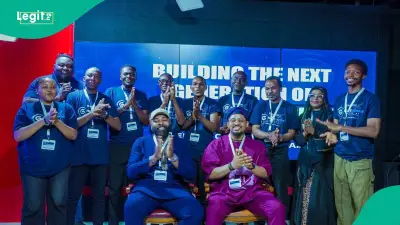
The Lagos State Government has announced that it has empowered more than 1,000 individuals working in the creative sector through its Skill Up Lagos Initiative. This effort is part of a broader strategy to strengthen the state's creative economy and ensure sustainable livelihoods for emerging artists.
Idris Aregbe, the Special Adviser to the Governor on Tourism, Arts and Culture, made this known during the 2026 Ministerial Press Briefing held in Alausa, Lagos. He explained that the empowerment programme was implemented over the past 24 months via the Lagos Cultural Mission. The initiative provides a structured platform for upcoming artists, designers, performers, and cultural entrepreneurs to acquire skills, gain visibility, and build sustainable careers.
According to Aregbe, the initiative reflects the government's commitment to investing in the creative sector as a key driver of economic growth. He stated, "This is governance with a human face, investing directly in the people who give Lagos its soul."
Aregbe also highlighted the impact of the Cook Lagos, Eat Lagos initiative, which he described as a landmark gastronomy project aimed at positioning Lagos on the global tourism map through its local cuisine. The initiative is structured around three pillars: Cook Lagos, Eat Lagos, and Grow Lagos. It promotes culinary education, food tourism, and agricultural enterprise while creating economic opportunities for food vendors, chefs, agro-entrepreneurs, and hospitality businesses.
He further explained that the Lagos Cultural Mission serves as the overarching framework through which the Office of the Special Adviser drives cultural diplomacy, arts development, and creative economy programming. "From international partnerships to domestic cultural celebrations, from art tours to diplomatic engagements, every programme feeds into the singular mission of establishing Lagos as Africa's cultural capital," Aregbe said.
The special adviser also noted that the Kayo-Kayo Festival in Epe returned in July 2025 with renewed cultural activities, attracting more than 1,000 participants. He described the festival as one of Lagos' enduring cultural expressions that celebrates communal unity, religious identity, and ancestral heritage. The government partnered with travel enthusiasts and tourism influencers to promote Oja Chief, the historic fish market central to the festival. Additionally, the office coordinated free fish deliveries to customers during the festival to support women traders and boost their earnings. "This demonstrates the ministry's commitment to inclusive tourism that uplifts livelihoods," Aregbe concluded.