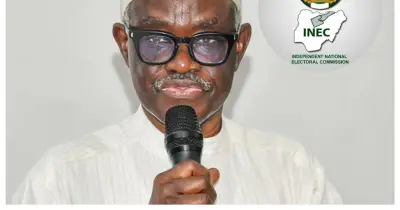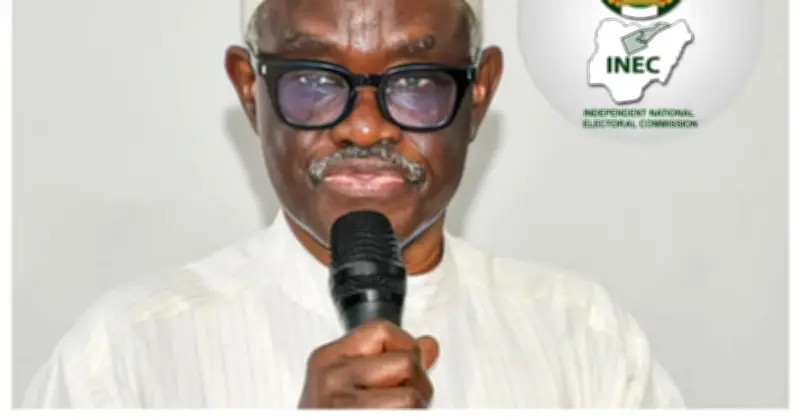
The Independent National Electoral Commission (INEC) has warned that AI-generated fake videos, images and voice notes could threaten the credibility of Nigeria's 2027 general elections, urging better verification and responsible election communication.
INEC Raises Alarm Over AI Misinformation
INEC raised fresh concerns during a capacity-building workshop for its Public Affairs Officers (PAOs) held in Abuja on Monday. The workshop, themed "Strengthening PAOs Capacity for Credible, Verified and Responsible Election Communication Towards 2027," is aimed at preparing communication officers for the growing challenge of misinformation and disinformation.
National Commissioner and Chairman of the Information and Voter Education Committee, Mohammed Haruna, said AI has made it much easier for people to create fake videos, edited images and cloned voice recordings that look completely real.

"Generative AI has made it cheaper and considerably harder to detect manipulated audio, video and images," Haruna said.
AI's Role in Spreading Conflicting Narratives
Haruna warned that beyond creating fake content, AI can also be used to send different political messages to different groups of voters at the same time, making it easier to spread conflicting narratives and influence public opinion. He explained that election technology and election communication can no longer be treated as separate issues.
Haruna referred to recent remarks by INEC Chairman, Prof. Joash Amupitan (SAN), who said election credibility is no longer determined only by ballot papers, BVAS machines or result sheets. According to Amupitan, voters also make decisions based on the information they see online and in the media. He had called for electoral technology and electoral communication to be treated "not as separate concerns but as a single discipline."
Training for Public Affairs Officers
Haruna described INEC's Public Affairs Officers as the commission's first line of communication across the country. "The credibility of INEC's communication, in many respects, begins with the work you do," he said. The officers would be trained on fact-checking, verification, crisis communication and how to respond quickly whenever false information starts circulating.
INEC's Director of Voter Education and Publicity, Victoria Eta-Messi, said Nigerians often judge the commission through the information shared by its communication officers. "It is through you that Nigerians form much of their impression of who we are, what we stand for, and how reliable our information is," she said. She admitted that INEC regularly faces attempts to spread false information capable of damaging public confidence in the commission.
More Training Programmes Planned
Eta-Messi revealed that the current workshop is only the beginning, adding that more training programmes are already being planned with support from development partners ahead of the 2027 elections. Deputy Director of Information and Publicity, Wilfred Ifogah, said participants would learn how to improve communication across different INEC offices while strengthening consistency in press statements, social media updates and public messaging.
According to Ifogah, the officers will also receive practical training on "the responsible use of artificial intelligence in communication work, including its practical applications, its limitations, and the safeguards required around confidentiality and verification." The warning comes as AI-generated content, including deepfake videos, cloned voices and manipulated images, continues to become more common around the world, with experts warning that such technology could play a bigger role in future elections if not properly monitored.