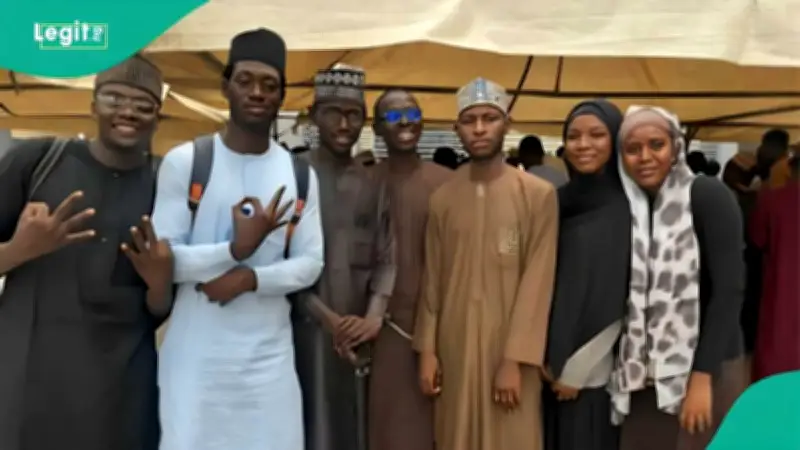
Students from Ahmadu Bello University (ABU) have unveiled a smart electronic walking stick designed to help visually impaired people navigate their surroundings independently. The device uses sensors to detect obstacles, holes, and water, alerting the user through different sound patterns for each hazard type. A built-in SIM card allows the stick to send an SMS to a designated caregiver whenever the blind user needs assistance.
Demonstration Video Draws Attention on X
The invention drew widespread attention after a demonstration video was posted on X on 2 September 2026. The clip, shared by @abuinsight, showed one of the student inventors presenting the device outdoors, walking a small audience through each feature of the stick.
The device was built by some 300L computer engineering students. It was engineered around a sensor system capable of identifying three distinct types of hazards.

How the Smart Stick Detects Hazards
When the stick detects a solid obstacle in the user's path, it emits a short vibration alongside an audible alert, giving the visually impaired person enough warning to change direction. For holes or sudden drops in the ground surface, the sensor triggers a longer, louder sound to communicate that the danger ahead is more severe.
Water detection is handled separately. When the tip of the stick is placed in or near water, the device responds with three quick successive beeps, allowing the user to distinguish that specific hazard from the others without any guesswork.
SMS Alert and Future Upgrades
Beyond physical navigation, the stick also includes a push button connected to a SIM card. Pressing it sends an SMS directly to a pre-registered caregiver or emergency contact, giving blind users a discreet and immediate way to call for help.
The presenting computer engineering student outlined several planned upgrades the team hopes to integrate in future versions. Real-time GPS tracking is among the top priorities, which would allow caregivers to monitor a blind user's location remotely through a phone application. Battery life monitoring is also on the roadmap, ensuring the stick sends a low-power alert before it runs out of charge in the field.
Meanwhile, Legit.ng previously reported that the US Mission in Nigeria has commended a 27-year-old Nigerian-American biomechanical engineer and Harvard graduate. The young lady built the world's first robot designed to ease physical strain on hairstylists and make it easy for their work.