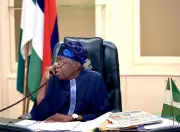
15% Tariff Hike: Why Nigerians Are Furious
The Federal Government's controversial 15% tariff increase faces massive backlash from economists and citizens who argue it will cripple businesses and deepen poverty across Nigeria.

The Federal Government's controversial 15% tariff increase faces massive backlash from economists and citizens who argue it will cripple businesses and deepen poverty across Nigeria.
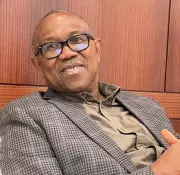
Former presidential candidate Peter Obi delivers scathing critique of Nigeria's agricultural failures and food insecurity crisis, demanding urgent government action.
The Southwest Development Commission reveals comprehensive strategy to transform Nigeria's southwest region into Africa's next economic powerhouse through infrastructure, agriculture, and technology investments.

Nigeria's economic outlook shows promising signs of improvement as the Inflation Working Group manager confirms the economy is approaching stability with reduced inflation and strengthened Naira.
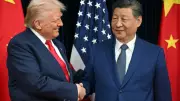
Recent phone discussions between Chinese President Xi Jinping and former US President Donald Trump generate hopeful signals for China-Africa trade partnerships, with Nigerian economists watching closely for potential benefits.

The Eurozone economy has delivered a powerful performance, exceeding all forecasts with stronger-than-expected growth in the first quarter of 2024, driven by Germany's recovery and resilient consumer spending.
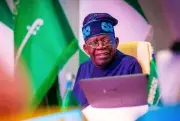
In a major economic move, President Bola Tinubu has approved a significant reduction of import duty on petroleum products from 35% to just 15%, aiming to ease fuel costs and boost economic activities across Nigeria.

Shell records massive profit jump to $7.7 billion amid rising oil prices, signaling positive trends for Nigeria's oil-dependent economy and energy sector investments.
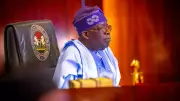
The Nigerian House of Representatives has approved President Bola Tinubu's request to borrow $2.34 billion and €100 million, part of a larger $8.69 billion and €100 million loan package previously endorsed by the National Assembly during the Buhari admini
Shocking revelations emerge as transparency watchdogs warn Nigeria is bleeding trillions through opaque oil incentives and questionable subsidy payments that lack proper documentation.

European Central Bank maintains interest rates despite inflation concerns. Analysis of how this decision impacts Nigeria's economy, trade relations, and the global financial landscape.

Groundbreaking AI technology arrives in Nigeria's informal sector, providing digital assistance to millions of small business owners and traders across the nation.

CBN's aggressive monetary policy triggers significant decline in money supply during September, signaling tighter financial conditions for Nigerian businesses and consumers.

Discover how Global Health Services is transforming care work into a thriving economic sector for Nigerian women, creating jobs and boosting local economies through innovative training programs.

Discover how Nigeria's care economy is transforming women's economic participation and creating sustainable livelihoods across the nation.
The Nigerian House of Representatives has approved President Bola Tinubu's request to borrow $2.34 billion and €100 million from international lenders to fund critical infrastructure projects and support the 2024 budget.
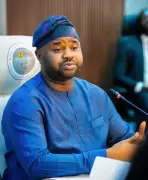
Federal Inland Revenue Service intensifies collaboration with key stakeholders to drive comprehensive tax reforms, enhance revenue generation and boost economic development across Nigeria.

British drugmaker GSK raises 2025 profit guidance as Nigeria's tariff reforms create favorable market conditions. Discover how this impacts healthcare costs and medicine availability.

Norwegian energy giant Equinor reports staggering $251 million quarterly loss as Nigerian crude prices tumble amid global market volatility. Discover how this impacts Africa's largest oil producer.
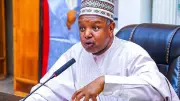
Nigeria's Minister of Budget and Economic Planning, Senator Abubakar Bagudu, has expressed strong confidence that the country can achieve its ambitious $1 trillion economy target by 2030 through strategic reforms and economic diversification.
Federal government rallies marine engineers to harness Nigeria's vast ocean resources through sustainable practices and technological innovation for economic growth.
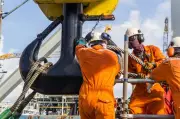
Experts reveal how adopting Lagos State's comprehensive blue economy framework could unlock Nigeria's massive maritime potential and transform coastal communities.
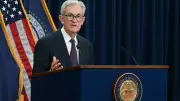
The US Federal Reserve is preparing for interest rate reductions in its final 2024 meeting, setting the stage for economic shifts that could impact Nigeria's markets and inflation trends in 2025.

Former CBN Governor Lamido Sanusi exposes how postponed fuel subsidy elimination triggered Nigeria's current economic hardship during Kaduna book launch.

Nigeria's premier banking institution, FirstBank, has successfully redeemed its $350 million Eurobond, demonstrating robust financial health and reinforcing investor confidence in the Nigerian banking sector.
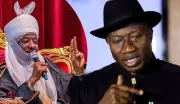
Former CBN Governor Sanusi Lamido Sanusi reveals how Boko Haram insurgency compelled President Goodluck Jonathan to reverse fuel subsidy removal in 2012, exposing the intricate link between terrorism and economic policy in Nigeria.

New fiscal data reveals alarming dependency on FAAC allocations across 21 Nigerian states, raising concerns about economic sustainability and governance.

Ethiopian visionary Gerishon Kebede leads groundbreaking initiative positioning Nigeria at the forefront of Africa's sustainable development movement, challenging global narratives.

Significant economic boost expected as 16 vessels carrying petroleum products, general cargo, and containers prepare to dock at Lagos ports this week, enhancing Nigeria's supply chain.
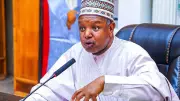
Nigeria's Minister of Budget and Economic Planning, Abubakar Bagudu, has unveiled an ambitious roadmap to transform the nation into a $1 trillion economy by 2030 during high-level talks with European Union ambassadors in Abuja.