The Federal Government has launched a major national agricultural programme designed to empower millions of Nigerians, enhance food production, and build resilience against climate change.
A Landmark Partnership for Food Security
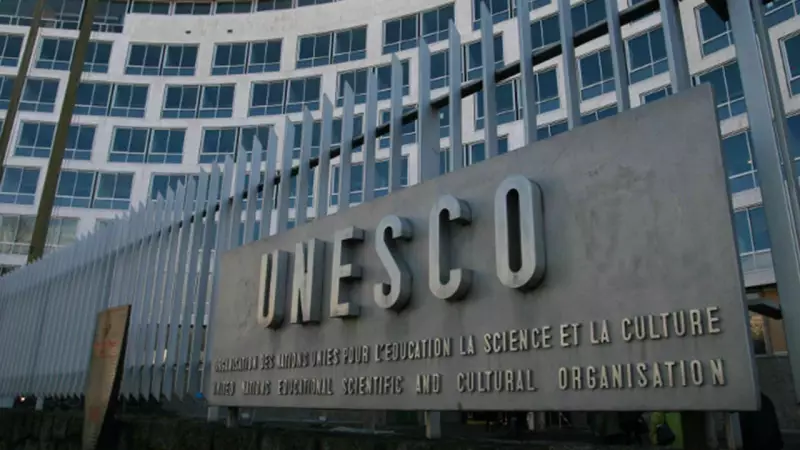
In a significant move to tackle food insecurity, the Office of the Senior Special Assistant to the President on Food Security (SSAP-FS) has entered a strategic collaboration with the United Nations Educational, Scientific and Cultural Organisation, Read and Earn Federation (UNESCO REF). The partnership was formally announced at a national press briefing in Abuja on Tuesday by Barrister Yejide Ogundipe, the SSAP-FS.
The programme aims to empower a total of 4.5 million Nigerians by providing them with training and financial support in modern, climate-smart agricultural practices. This initiative is a core part of the government's efforts under President Bola Ahmed Tinubu's Renewed Hope Agenda to transform the nation's food systems.
Programme Structure and Target Beneficiaries
The empowerment scheme will be executed in two distinct phases to ensure effective implementation and wide reach.
The first phase is set to provide financial sponsorship to 3 million Nigerians. The second phase will then extend the programme's benefits to an additional 1.5 million citizens. These participants are drawn from a larger pool of 12 million Nigerians targeted for empowerment by 2030 through a national mobilisation campaign.
The programme specifically focuses on key demographic groups to ensure inclusive growth:
- Young women and youth from all six geopolitical zones.
- Civil servants who are approaching retirement, offering them a viable livelihood pathway after their service.
Participants will receive specialised training in Hydroponic and Agro-Kenaf Enterprise Development. These skills are considered vital for building sustainable agribusinesses that can withstand climate variability. Notably, beneficiaries involved in Kenaf production are projected to earn a minimum income of ₦400,000 every twelve weeks, creating a substantial opportunity for financial independence.
Alignment with National and Global Goals
This initiative is firmly anchored within the UNESCO REF Strategic Intervention Programme – Alpha, Category II Framework, particularly its Young Women in Agriculture (YWA) component. It is strategically aligned with critical United Nations Sustainable Development Goals, namely SDG 2: Zero Hunger and SDG 13: Climate Action.
The programme is structured to run through 2030, supporting Nigeria's commitment to the UN's 2030 Agenda and the African Union's Agenda 2063. During the announcement, Barrister Ogundipe emphasised the programme's broader significance, stating, "This is not just an agricultural intervention; it is a national security and empowerment strategy." She affirmed the Presidency's role in brokering the necessary financial support.
Prince Ladigbolu-Oranmiyan, President of UNESCO REF, highlighted the continental importance of the project. He described it as a model of international best practice that positions Nigeria as a leader in climate-smart food systems and women's economic empowerment in Africa.
The expected outcomes of the programme have already been validated by relevant government ministries, agencies, and stakeholders, confirming its credible structure and readiness for large-scale implementation. The initiative is poised to stimulate inclusive economic growth, reduce vulnerability to climate shocks, strengthen national food sovereignty, and generate billions of Naira across new agricultural value chains.