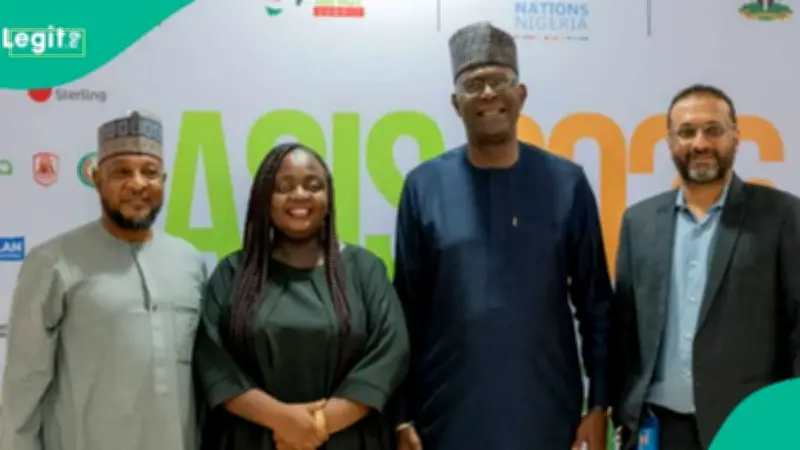
The countdown to the Africa Social Impact Summit (ASIS) 2026 has officially begun, with organizers unveiling an ambitious agenda aimed at accelerating investments, forging strategic partnerships, and advancing sustainable development across the continent. At a high-level press conference held at the United Nations House in Abuja on Wednesday, Sterling One Foundation, in collaboration with the United Nations in Nigeria and other strategic partners, outlined plans for the summit, which is scheduled to take place from July 22 to 24, 2026, at the Eko Convention Centre in Lagos.
Ambitious Goals for Africa's Development
Themed "Financing for Development: Building Resilience and Transforming Emerging Economies," the summit is expected to bring together more than 2,000 delegates from over 50 countries, including heads of government, global investors, development finance institutions, business leaders, entrepreneurs, and social innovators.
Organizers said ASIS has evolved beyond a discussion forum into one of Africa's leading platforms for mobilizing capital and driving market-led solutions to the continent's development challenges. This year's edition comes at a critical time as African economies grapple with shifting global capital flows, climate risks, food insecurity, and the challenge of creating opportunities for a rapidly growing youth population.
Strengthening Partnerships for Sustainable Growth
Speaking at the briefing, United Nations Resident Coordinator in Nigeria, Mohamed Malick Fall, emphasized the importance of collaboration in achieving sustainable growth. "Africa's greatest opportunity lies in the strength of its partnerships," he said. According to him, ASIS provides a unique platform where governments, the private sector, development partners, and civil society can mobilize investments, innovation, and partnerships needed to accelerate progress towards the Sustainable Development Goals while building resilient economies that leave no one behind.
Also speaking, Abubakar Suleiman, Board Member of Sterling One Foundation, said the summit is designed to create lasting impact beyond the annual gathering. "What we are building through ASIS is not just a convening, but a long-term platform for action," he said. "The conversations we are having today must translate into real commitments, measurable outcomes, and partnerships that outlive the summit itself. That is how we move from intention to impact across the continent."
$500 Million Investment Deals in Sight
Chief Executive Officer of Sterling One Foundation, Olapeju Ibekwe, disclosed that previous editions of the summit have unlocked more than $1 billion in investments across multiple sectors. She expressed optimism that the 2026 edition would surpass previous milestones, revealing that organizers expect investment deals worth more than $500 million to be signed during the summit. "The future of Africa will be defined by the quality of the sustainable partnerships we build today," Ibekwe said. She described ASIS as a platform that connects African leaders, local and international investors, innovative ideas, and catalytic capital to tackle pressing challenges while creating opportunities for inclusive and sustainable growth.
Focus on Key Development Sectors
The 2026 summit will place special emphasis on critical sectors such as education, healthcare, climate resilience, food systems, gender equality and women's empowerment, youth development, the creative economy, and sustainable finance. Through high-level dialogues, investor roundtables, and solution-focused engagements, organizers say the summit will seek to unlock new opportunities that drive growth and strengthen Africa's resilience. With momentum building ahead of the July gathering in Lagos, ASIS 2026 is positioning itself as a major catalyst for investment, innovation, and sustainable development across Africa.
In related news, the International Monetary Fund (IMF) recently named Africa's top 10 richest economies. Legit.ng earlier reported that Africa's economic map is evolving as countries pursue different paths to growth. While oil and mineral exporters continue to benefit from strong global demand for natural resources, several nations are building momentum through manufacturing, technology, services, infrastructure investment, and economic reforms. Latest projections from the IMF show that the continent's largest economies remain largely unchanged at the top, but rapid growth in countries such as the Democratic Republic of Congo and Ethiopia signals a gradual shift in Africa's economic balance. The rankings are based on nominal GDP estimates for 2026.