
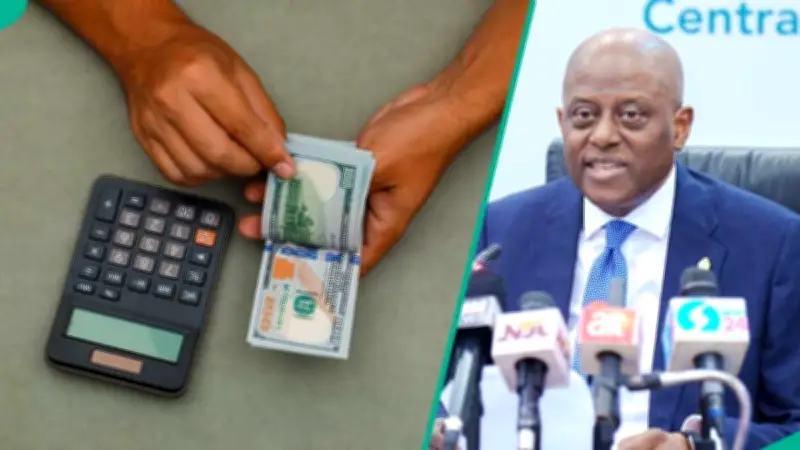
Central Bank of Nigeria (CBN) Governor Yemi Cardoso has projected that diaspora remittances will reach $1 billion every month before the end of 2026, as the apex bank pursues reforms aimed at deepening foreign exchange inflows and reducing the economy's dependence on oil revenue.
Cardoso Unveils $1 Billion Monthly Remittance Target
Cardoso made the projection on Thursday, July 16, while speaking at the 14th Annual BusinessDay CEO Forum in Lagos, which held under the theme 'From Stability to Shared Prosperity'. He said: 'We are expecting that by the end of the year, we will hit about a billion dollars a month from diaspora remittances.'
Remittances Already Doubling Under New Reforms
Monthly inflows from Nigerians living abroad currently surpass $600 million, according to Cardoso, who said the CBN had set its sights on substantially higher figures through a package of reforms encouraging the use of official remittance corridors. He said the central bank held consultations with diaspora communities, commercial banks and international partners to map out the friction points discouraging formal transfers into Nigeria. The outcome was a set of policy changes that Cardoso described as offering 'free entry and free exit' for foreign exchange, making it easier for funds to move in and out of the country through regulated channels.
The CBN governor noted that these measures had already doubled diaspora remittances within a year and had exceeded what the bank originally anticipated. He projected that annual inflows could approach $8 billion if the current trajectory holds, crediting growing confidence in Nigeria's financial system and foreign exchange market as key drivers.
Exchange Rate Unification Reduces Distortions
Cardoso also used the forum to highlight broader improvements in Nigeria's foreign exchange position since the reform programme began. He identified the unification of the exchange rate system as among the most consequential steps the CBN has taken, arguing that eliminating multiple rate windows reduced distortions and made the market more transparent to investors.
External Reserves Surge to Over $52 Billion
Nigeria's net external reserves, he said, have grown from approximately $3 billion at the outset of the reforms to more than $40 billion, while gross external reserves now stand at roughly $52 billion, a level he said equates to about 10 months of import cover. Cardoso was clear that the reserve build-up is designed to shield the economy from external shocks and guard against sharp exchange rate swings, rather than to fund routine interventions in the currency market.
Reserves at Highest Level Since 2009
Earlier, Legit.ng reported that Nigeria's external reserves are at their highest level since 2009, reaching almost $51 billion despite the naira's slight depreciation in some segments of the foreign exchange market due to weaker dollar inflows. The Central Bank of Nigeria data showed the country's foreign reserves increased to $50.96 billion as of June 17, 2026, from $37.74 billion recorded in the same period last year—an increase of $13.22 billion or 35.03%. The current level represents the highest in over 15 years since 2009, bolstering the CBN's capacity to fulfil its international payment obligations and support the nation's local currency.




