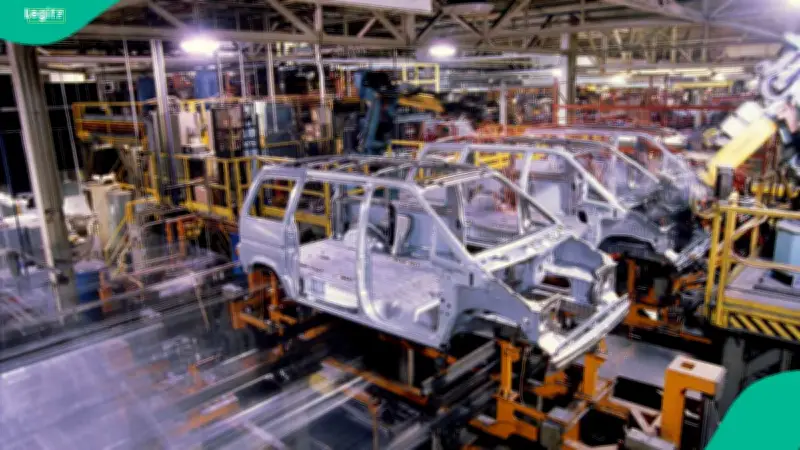
Ford Motor Company has admitted that artificial intelligence failed to match the skills of its most experienced engineers, leading the company to rehire more than 300 veteran quality inspectors. Executives said human expertise was essential to train AI systems and mentor younger workers, ensuring higher standards in vehicle production. The announcement came as Ford celebrated returning to the top of the US JD Power Initial Quality Study for the first time since 2010.
AI Falls Short in Quality Control
Ford had introduced AI across parts of its operations, including quality checks, in hopes of cutting costs and boosting productivity. However, according to the BBC, Ford executives confirmed that more than 300 “veteran” quality inspectors have returned in recent years to address shortcomings in automated systems. Charles Puun, vice president of vehicle hardware engineering, explained: “Artificial intelligence is a fantastic tool, but it's only as good as the information you use to train it.” He admitted that Ford had not fully valued the experience of its most knowledgeable engineers, many of whom had been with the company through multiple product cycles.
Puun added: “Mistakenly, we thought that by just introducing artificial intelligence and ingesting the design requirements that we had, that would produce a high-quality product.”
Ford’s Broader AI Strategy
Ford is among many automakers embracing AI amid Wall Street enthusiasm for its potential to increase margins. CEO Jim Farley said last June: “AI will leave a lot of white collar people behind.” In October, chief operating officer Kumar Galhotra told investors that Ford was “deploying AI across the entire industrial system.” This included installing 900 AI-powered cameras in its plants to detect quality issues and reduce supply disruptions. Despite these efforts, Puun admitted that AI-driven checks had not lived up to expectations, stressing the importance of human expertise in training systems and mentoring younger workers.
Return to Top Quality Ranking
Ford’s acknowledgement of AI’s limits came as it celebrated a major achievement. The company announced it had returned to the top of the US JD Power Initial Quality Study, ranking as the number one mainstream automaker for vehicle quality, a position it had not held since 2010. In a press release, Ford said: “Reaching best-in-class quality required a significant talent refresh.” This included replacing senior leaders across engineering, supply chain and manufacturing, as well as rehiring the 300 veteran engineers “who carry the hard-earned wisdom of decades of design.”
Broader Industry Context
The move highlights a growing recognition that AI cannot fully replace human judgment in complex manufacturing environments. While AI can process vast amounts of data, it lacks the nuanced understanding that comes from years of hands-on experience. Ford’s decision to reinstate veteran inspectors underscores the value of tacit knowledge in ensuring product quality. The company’s improved quality ranking suggests that blending human expertise with AI tools may yield better results than relying solely on automation.
In a related development, the Central Bank of Nigeria (CBN) has announced plans to deploy AI to strengthen fraud prevention and improve the efficiency of Nigeria’s digital payments ecosystem, as outlined in the newly launched Nigeria Payments System Vision (PSV) 2028. This initiative positions AI as a core technology in Nigeria’s push to build a more secure and inclusive payments infrastructure.